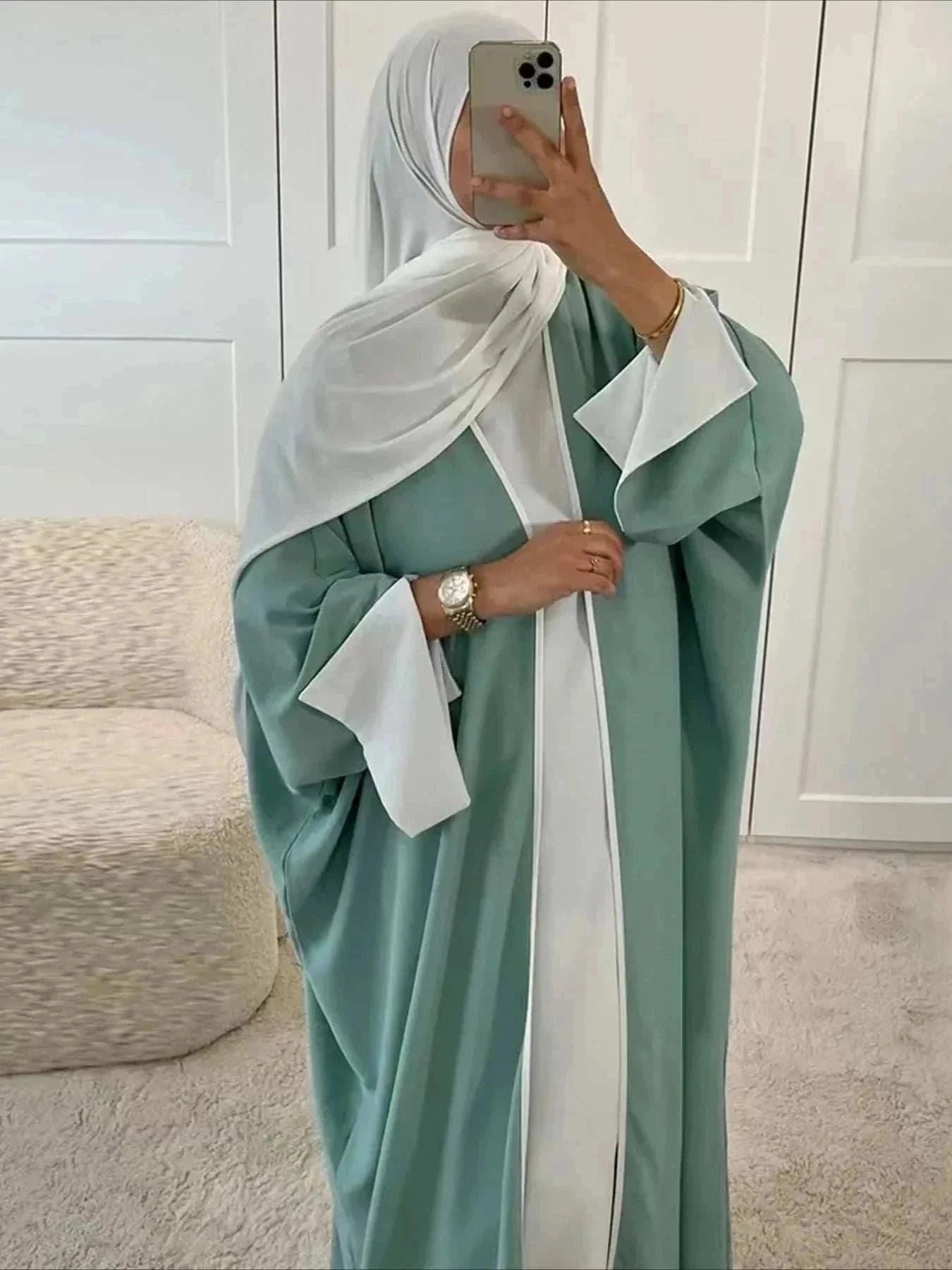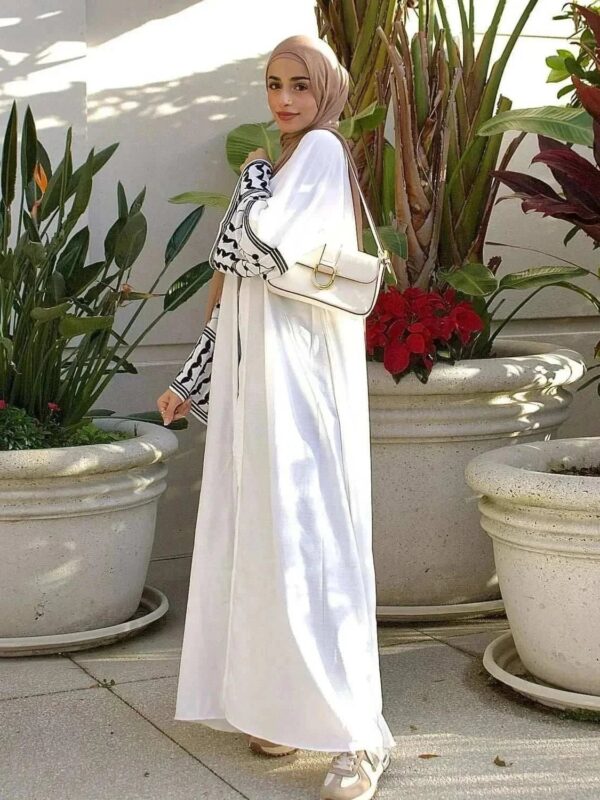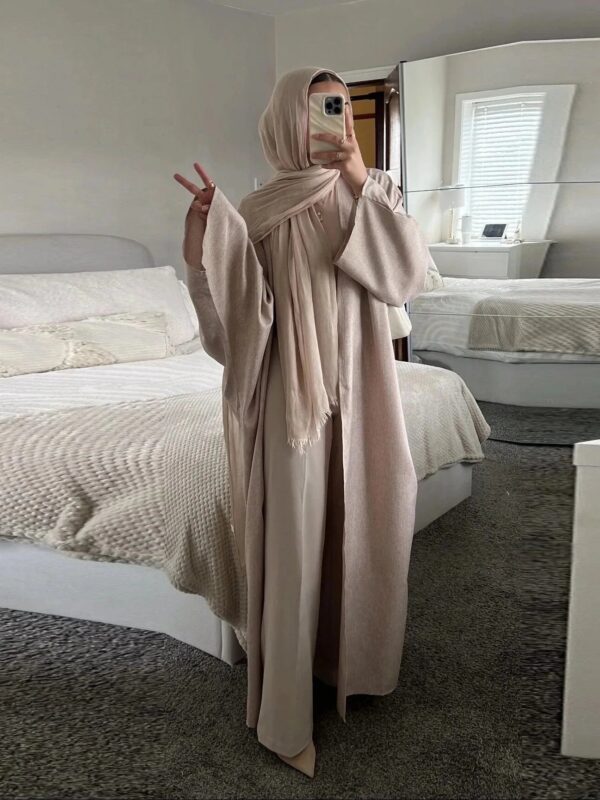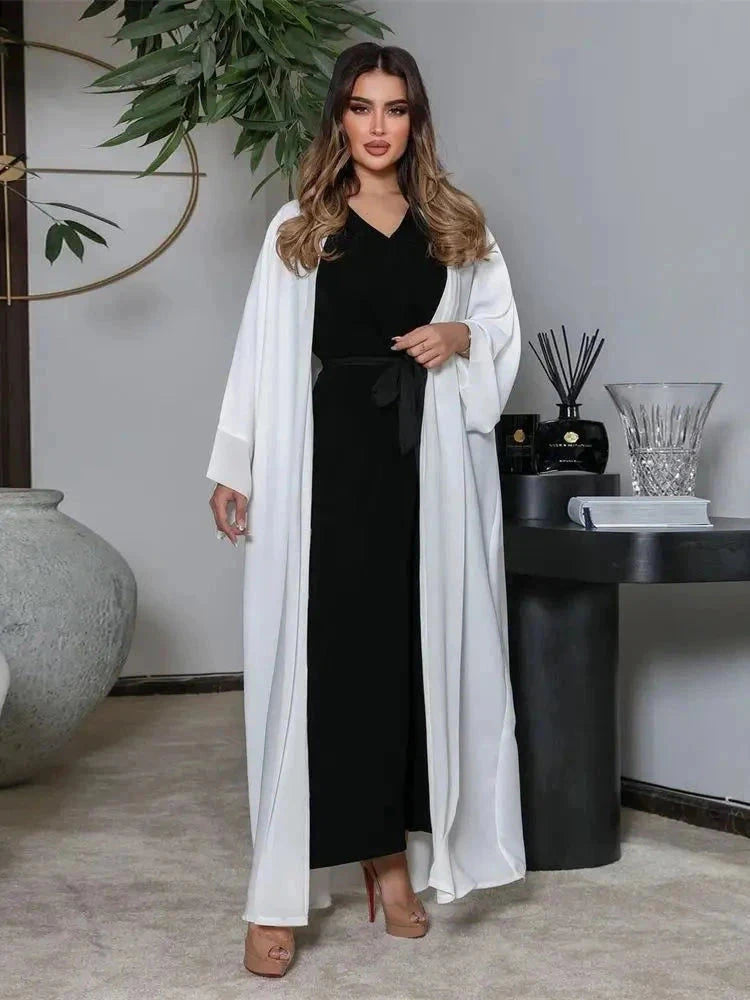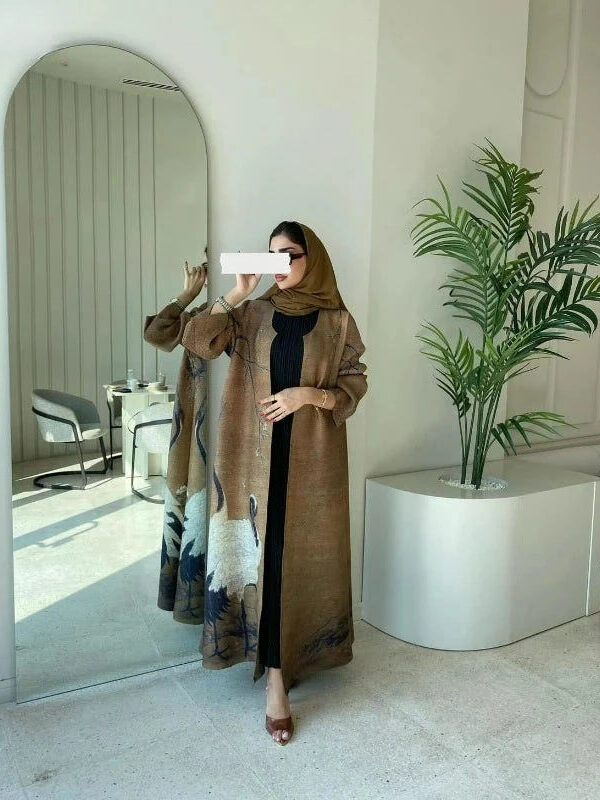

The most sustainable garment is the one you already own, and the most economical one is the one that lasts. Whether you are caring for everyday basics or special pieces, a handful of simple habits can add years to the life of your clothes, protect their color and shape, and save money you would otherwise spend replacing them. This guide covers practical ways to make your clothes last longer: reading care labels, washing less and washing smarter, drying and storing properly, treating stains, mending early, rotating your wardrobe and caring for delicate and embellished items. None of it is complicated, and most of it takes only a few minutes.
Why Clothes Wear Out and How to Make Clothes Last Longer
Clothing wears out for predictable reasons. Friction and agitation in washing weaken fibers. Heat from dryers and irons shrinks and damages fabric. Sunlight fades dyes. Sweat, body oils and detergent residue build up. Poor storage causes stretching, creasing and pests. If you reduce these stresses, garments last far longer. Each habit below addresses one of them.
Read and Keep the Care Label
The care label tells you the recommended temperature, drying method and ironing limits. Take a photo of labels on favorite pieces, so you remember them after cutting them out. If a garment is marked dry clean only or hand wash, follow that guidance, especially for embroidered, beaded or lined pieces.
Wash Less, Wash Smarter to Make Clothes Last Longer
Every wash causes tiny fiber wear, so wash only when needed. Air clothes after wearing instead of washing them every time. Use cold water for colors and delicates. Turn garments inside out to protect surfaces and prints, and use a mesh bag for fragile items. Close zips and hooks first so they do not snag other fabrics. Wash similar colors and weights together.
Choose a Gentle Detergent and Use Less of It
Use a mild detergent and measure carefully. Too much soap leaves residue that dulls fabric and irritates skin. Skip bleach on colored clothes. Fabric softener can leave a film on some synthetics, so use it sparingly or not at all on delicate pieces. For particular fabrics, see our guide to washing chiffon.
Skip the Hot Dryer
High heat shrinks cotton, weakens elastic and can melt delicate synthetics. Air drying keeps shape and color, and costs nothing. Dry in a shaded, ventilated area, since strong sun can fade dyes. Lay knits flat to avoid stretching, and hang other garments on padded hangers. When you need to remove wrinkles, steaming is gentler than ironing. Our guide to steaming versus ironing explains when to use each.
Store Clothes Properly
Use padded or wide hangers for heavy and delicate pieces, so shoulders keep their shape. Fold knits instead of hanging them. Keep closets dry and slightly ventilated, add cedar blocks to deter moths and avoid cramming garments together, which causes creasing. Store seasonal items in breathable bags rather than sealed plastic, and wash them before storing.
Mend Early and Often
Small repairs are one of the cheapest ways to make clothes last longer.
A loose button, a small seam opening or a fraying hem is simple to repair when caught early and difficult once it spreads. Keep a small sewing kit with matching thread, needles and spare buttons. If you do not sew, a local tailor can make inexpensive repairs. Even small fixes add months or years to a garment.
Remove Pilling Gently
Pilling happens when fibers rub together and form small balls. Use a fabric shaver or a fine comb to remove pills, working lightly. Wash knits inside out and avoid rubbing against rough surfaces to prevent more pilling.
Treat Stains Quickly
Blot, do not rub. Rinse from the back with cold water, apply a mild stain remover and let it work before washing. Avoid hot water on unknown stains, because heat can set them. For delicate or embroidered fabrics, test any treatment on an inside seam first.
Caring for Embroidered, Beaded and Satin Pieces
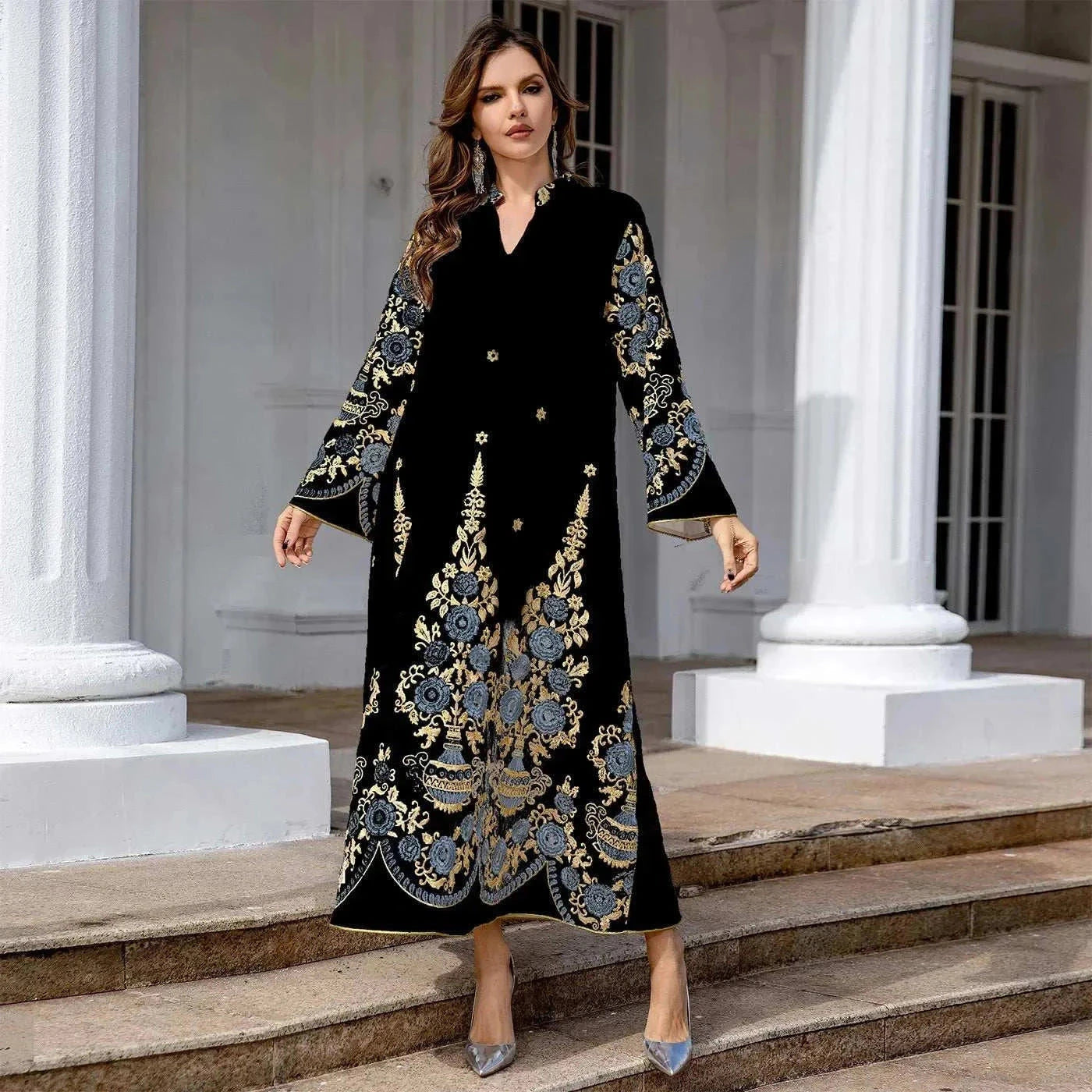
Special pieces need extra attention. Hand wash or dry clean embellished garments, never wring them and dry flat or on a padded hanger. Satin should be kept away from rough surfaces and sprays that leave water marks. If you own pieces from our embroidered abaya collection, satin abayas or luxury abayas, these habits keep the details looking new.
Rotate Your Wardrobe to Make Clothes Last Longer
Wearing the same few pieces too often wears them faster. Rotating your clothes spreads the wear and shows you which pieces you actually love. Building a smaller, versatile wardrobe, as described in our guide to building a capsule wardrobe, naturally encourages rotation.
Buy for Longevity
When you do buy, look at fabric quality, seams, lining and fit. Understanding fabrics helps you choose well, so read our fabric glossary and our guide to reading online clothing descriptions.
Frequently Asked Questions
These are common questions about how to make clothes last longer.
Does washing less really help?
Yes. Each wash wears fibers slightly, so airing clothes between wears extends their life.
How can I freshen clothes between washes?
Hang them in fresh air, steam them or use a light fabric spray.
Is air drying always better?
For most garments, yes. It avoids heat damage and shrinkage and saves energy.
What is the best way to store knitwear?
Fold it flat rather than hanging, to avoid stretching at the shoulders.
For wider background reading, see Wikipedia’s overview of laundry.
Final Thoughts
To make clothes last longer, wash gently, dry carefully, store properly and mend early.
Small habits create long-lasting wardrobes. Wash gently, dry carefully, store properly and mend early, and your clothes will stay beautiful far longer.