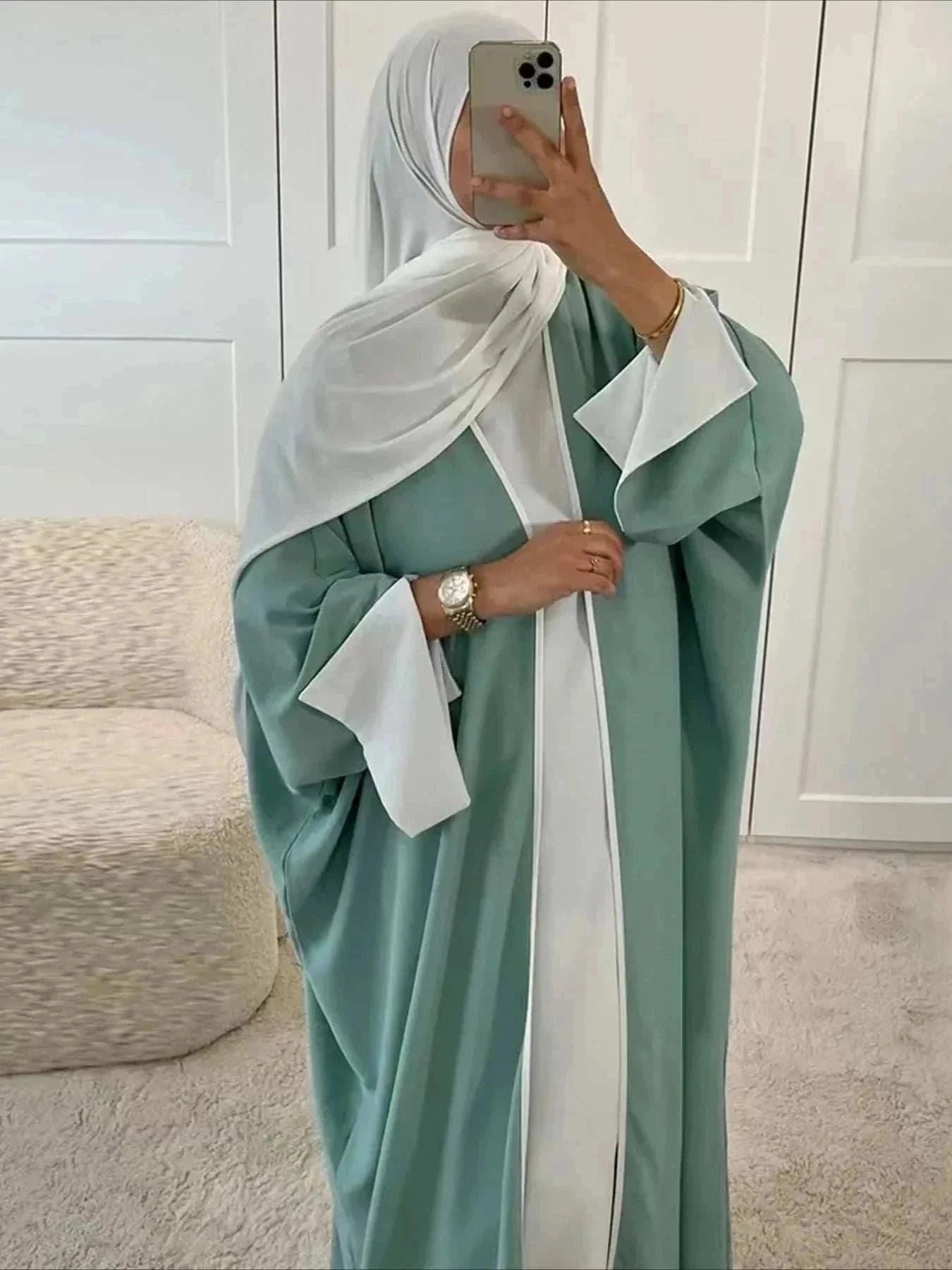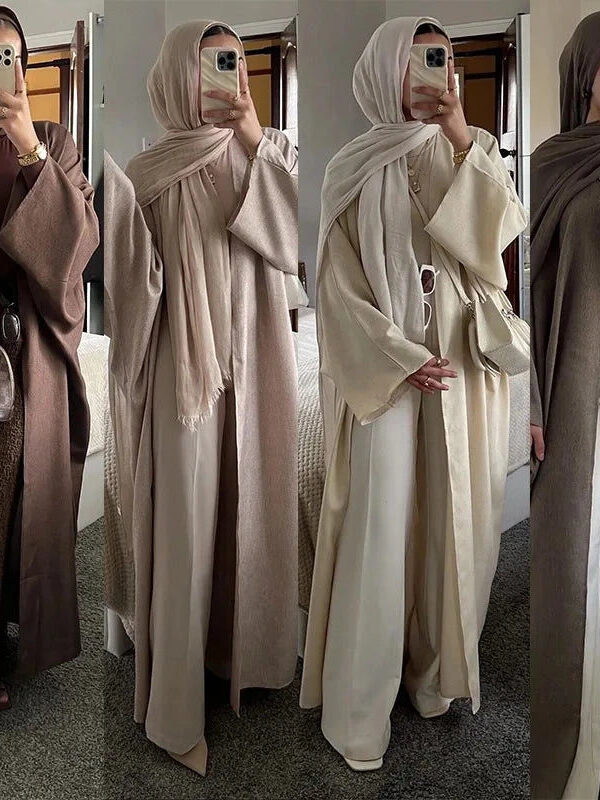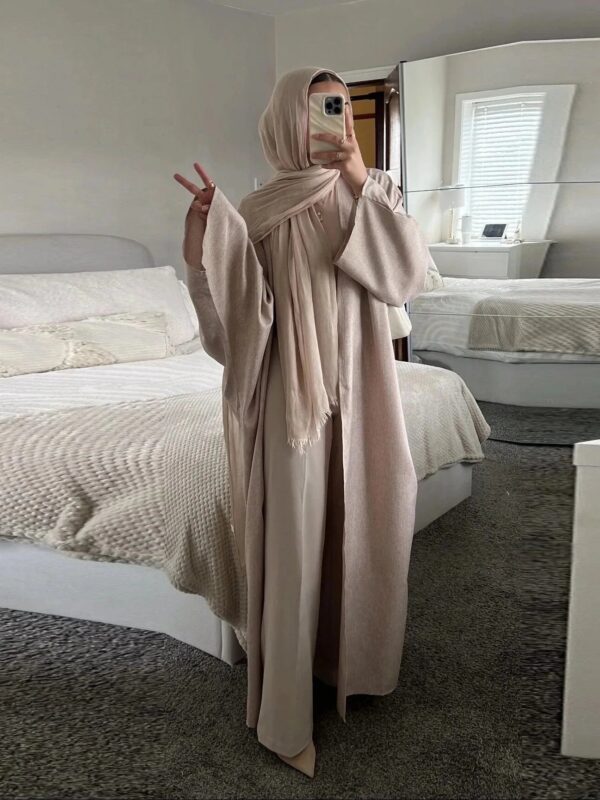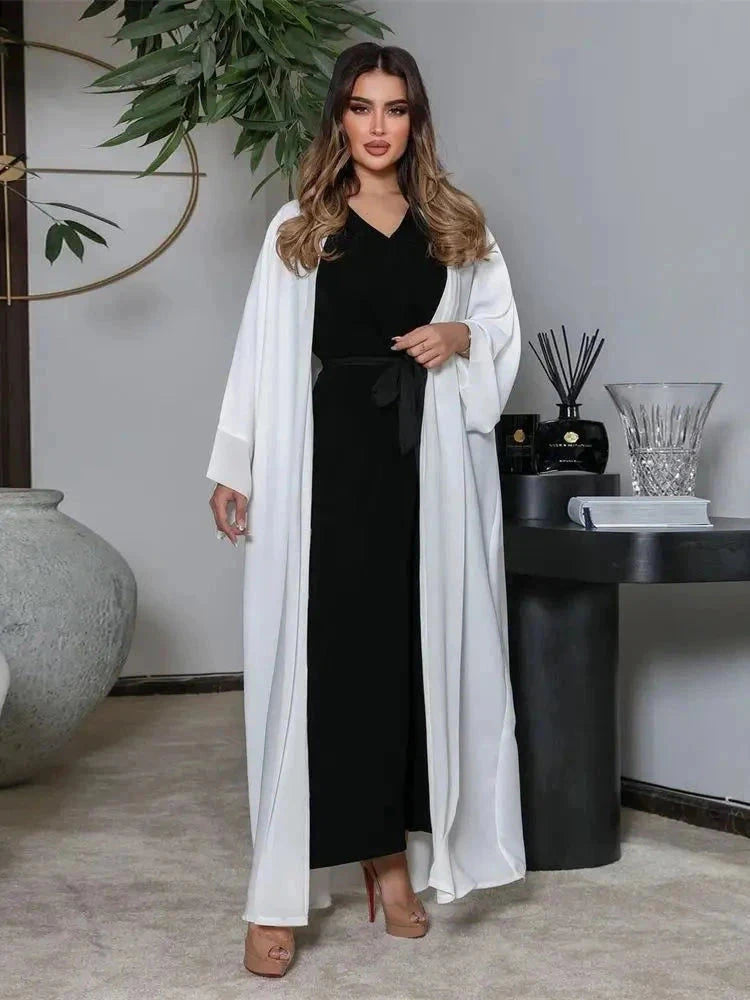
Wrinkles have a talent for appearing at the worst moment: right before a family dinner, after a long flight or the minute you unpack a favorite outfit. The question is whether to reach for the iron or the steamer. Both remove wrinkles, but they work in different ways and suit different fabrics. Picking the wrong one can leave shiny marks on satin, flatten velvet or even scorch delicate chiffon. This guide compares steaming vs ironing, explains how each method works, gives safe temperature guidelines for common fabrics, and shares travel tips and quick tricks for when you have neither tool.

How Steaming Removes Wrinkles
A steamer releases hot water vapor that penetrates the fibers and relaxes them. Once the fibers soften, gravity and a little tension let the fabric fall smooth. Because nothing presses directly against the cloth, steaming is the gentlest method available. It is ideal for delicate and textured fabrics, finished garments with structure such as pleats, and anything you do not want to risk pressing flat.
Steaming also helps freshen clothes between washes, reducing odors and releasing creases from storage. It is faster for long garments because you can hang the piece and steam it from top to bottom without laying it on a board. Many people find a handheld steamer the most practical purchase for a modest wardrobe full of long, flowing layers.
How Ironing Removes Wrinkles
An iron combines heat, pressure and sometimes steam to flatten the fibers. This gives a crisper, sharper finish than a steamer, which is why ironing remains the better choice for cotton shirts, linen blends, collars, cuffs and pressed creases. The trade-off is risk. Too much heat can melt synthetic fibers, leave shiny patches on satin and silk, or crush the pile of velvet.
Steaming vs Ironing: Which Method Suits Each Fabric
Chiffon and georgette: steaming is safest. If you must iron, use the lowest setting with a thin cloth in between. Our guide to washing chiffon covers the rest of its care. Satin: steam from a short distance, or iron inside out on low heat. Water spots can mark satin, so avoid spraying it. Crepe and nida: both resist wrinkles naturally, and a light steam is usually enough. Cotton: tolerates medium to high heat and responds well to a damp iron. Velvet: never iron it flat, because pressing crushes the pile. Hang it and steam from the reverse side instead. Polyester blends: low to medium heat with a pressing cloth.
Steaming vs Ironing Safe Temperature Guide
As a rule of thumb, use the lowest heat that works. Polyester and chiffon do best on low, satin on low, silk on low to medium, cotton on medium to high and linen on high with steam. Always check the care label first, and test the iron on an inside seam. Keep the iron moving, because holding it in one spot concentrates heat and can leave a mark.
How to Steam a Garment Properly
Hang the piece on a sturdy hanger at a comfortable height. Fill the steamer with distilled water if your tap water is hard, which prevents mineral spots. Hold the nozzle a few centimeters from the fabric and move down in slow, even strokes, gently pulling the hem taut with your other hand. Let the garment dry completely for a few minutes before wearing or putting it away, because damp fabric creases again quickly.
How to Iron Without Damaging Fabric
The steaming vs ironing choice also depends on how much time you have and how crisp you want the finish.
Set up on a clean, padded surface. Turn delicate garments inside out and place a pressing cloth, a thin cotton towel or a clean handkerchief, between the iron and the fabric. Iron in smooth strokes following the grain, and never iron over stains, because heat sets them permanently. Avoid pressing over beads, sequins, appliqué or embroidery. Lay these pieces face down on a soft towel and iron from the back.
Special Cases: Pleats, Embellishments and Linings
Permanent pleats should only be steamed lightly. Ironing can flatten the folds, so use a steamer and gently pull the fabric to re-set the shape. If you own a pleated style, such as those in our pleated abaya collection, steaming is almost always the right choice. Embroidered, beaded and sequined pieces should also be steamed from the back. If you are caring for sparkling styles from our glitter abayas, keep the heat source away from the decoration.
Wrinkle Tricks When You Have No Steamer
Hang the garment in the bathroom while a hot shower runs, then close the door for fifteen minutes. The humid air relaxes light creases. Another option is a spray bottle filled with water, lightly misted over the fabric and smoothed with your hand as it dries. For a stubborn crease on a durable fabric, a damp towel placed over it and a warm hair dryer held at a safe distance can help, but test first.
Travel Tips for Fewer Wrinkles
Roll garments instead of folding them sharply, and place tissue paper between layers. Pack heavy items first and delicate pieces last. Unpack as soon as you arrive and hang everything up. For longer trips, a small travel steamer is a great investment. If you are packing for a pilgrimage, our Umrah packing list for women includes more clothing and care suggestions.
Common Steaming vs Ironing Mistakes to Avoid
Avoid using tap water with heavy minerals in a steamer, ironing over stains, holding the iron in one spot, and spraying satin with water. Do not iron velvet flat or press directly on delicate synthetics without a cloth.
Frequently Asked Questions
These are the questions people ask most about steaming vs ironing.
Is a handheld steamer enough for everyday use?
Yes, for most everyday wrinkles. A full-size steamer is faster for long garments or large wardrobes.
Why did my fabric get shiny after ironing?
Direct heat flattened the fibers. Next time use lower heat and a pressing cloth, or switch to steaming. Our satin abayas and velvet styles are best steamed.
Can I steam and iron the same garment?
Yes. Steam first to relax the fabric, then press any collars or seams that need extra crispness.
Does steaming kill odors?
It can reduce them, but it is not a substitute for washing a garment that is dirty.
For wider background reading, see Wikipedia’s overview of the clothes iron.
Final Thoughts
In the steaming vs ironing debate, the right answer is simply the method that suits the fabric.
Match the method to the fabric: steam for delicate and structured pieces, iron for crisp cottons and linens. With the right tool and a little care, you can keep every outfit smooth without damaging it.