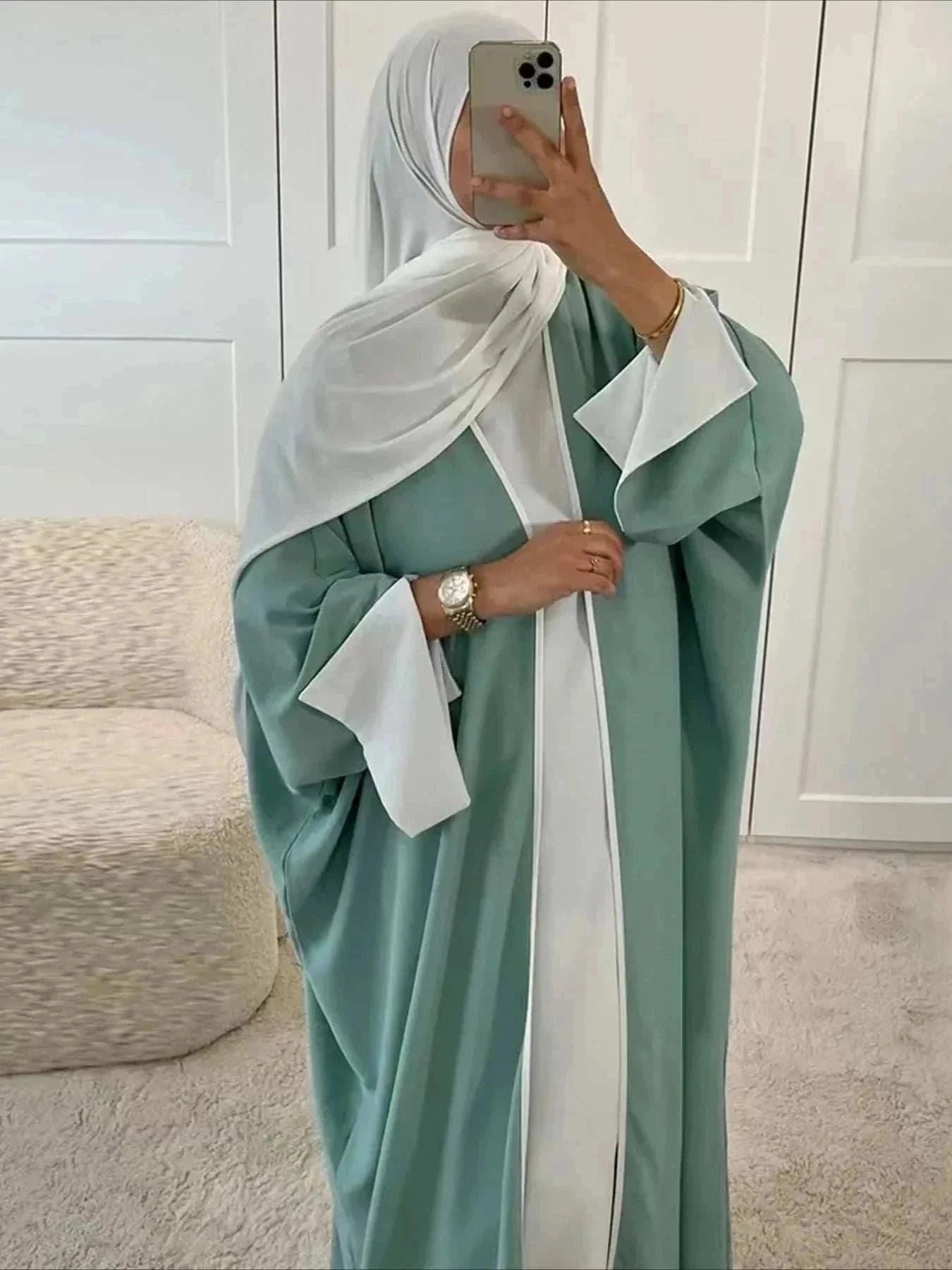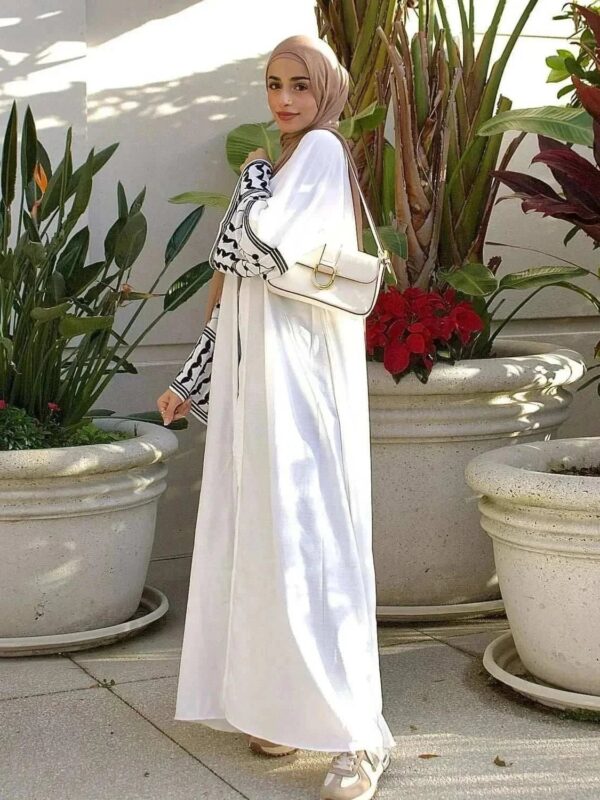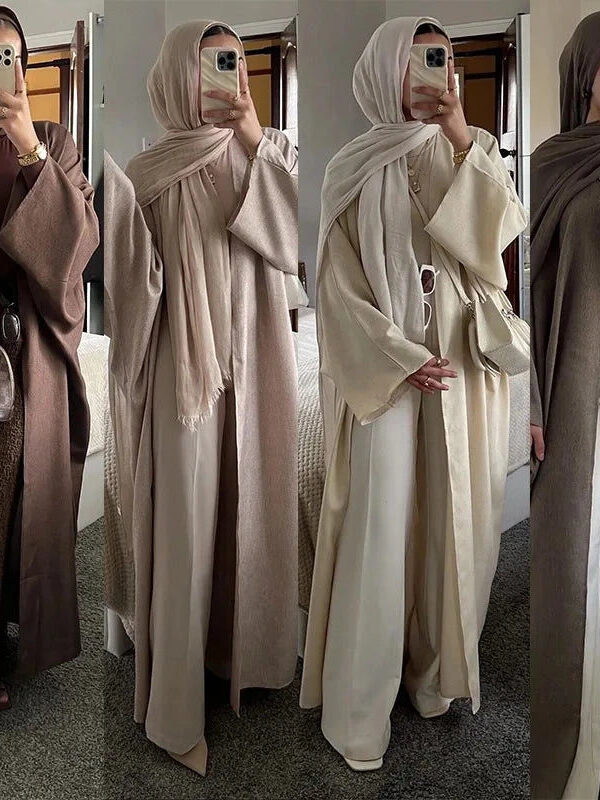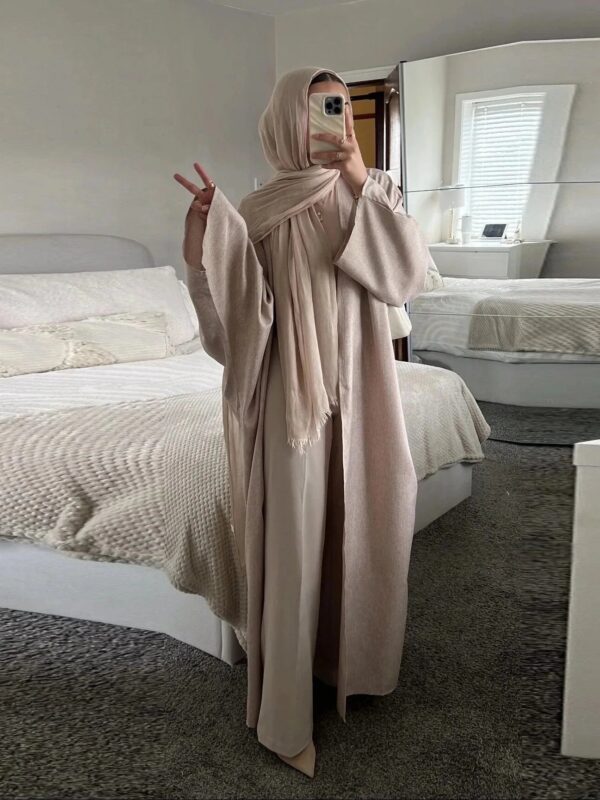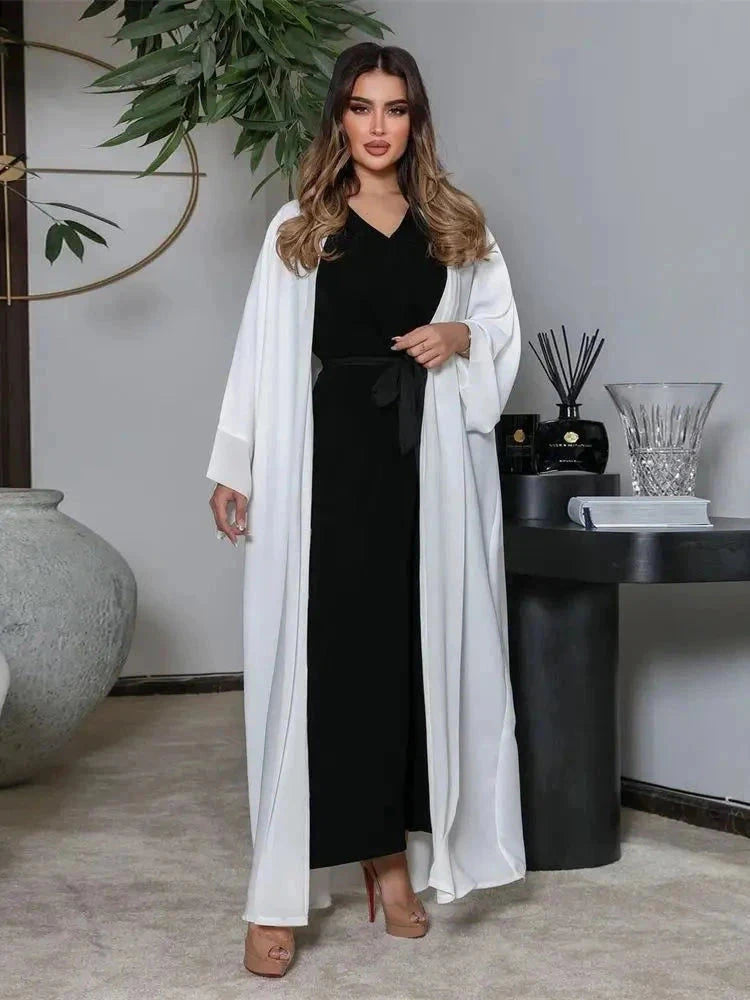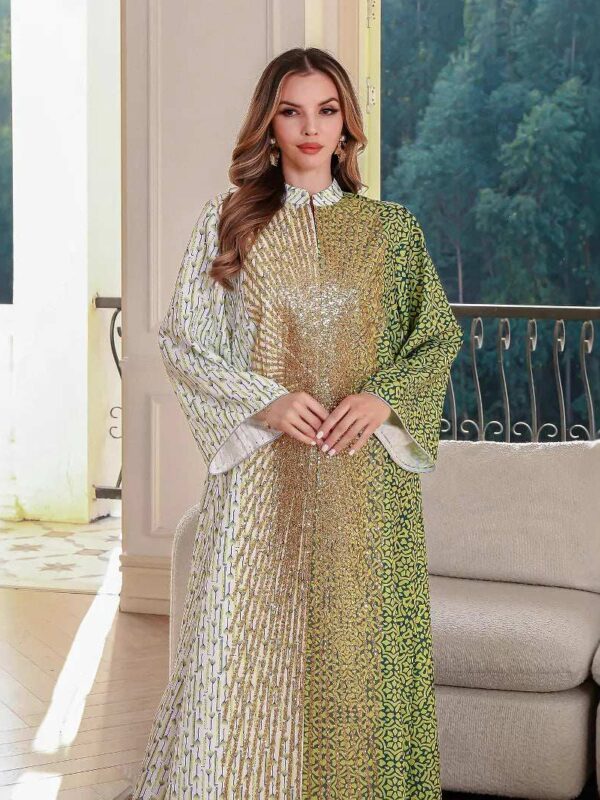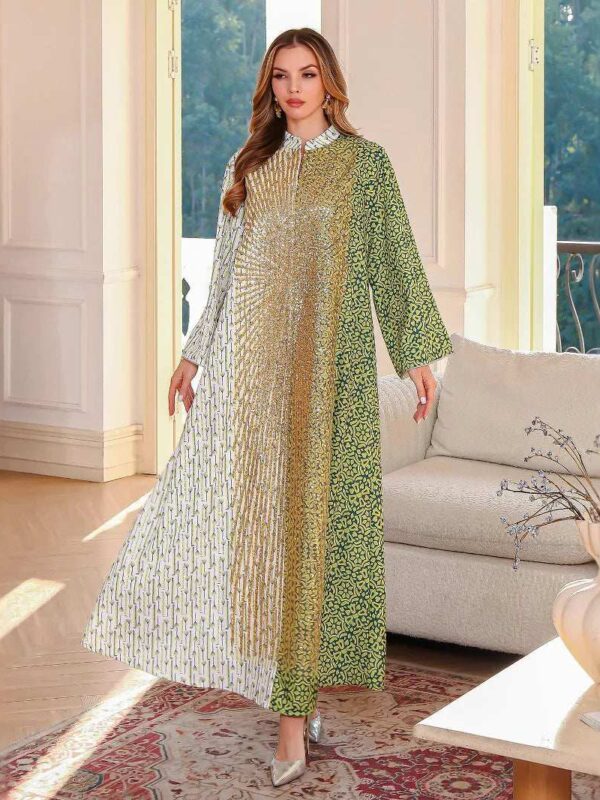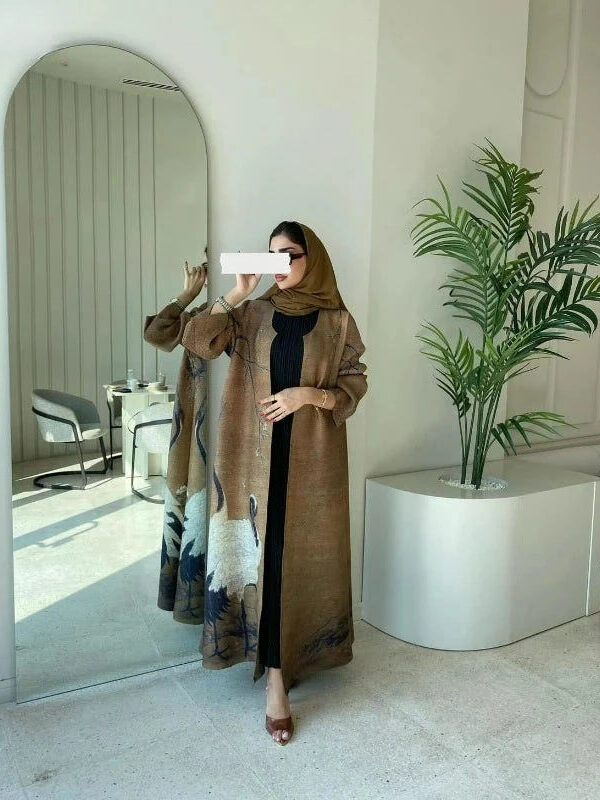
Few things cause as many online shopping returns as a poor fit. A garment that looks perfect on screen can arrive too tight across the shoulders, too short in the sleeve or too long at the hem. The simple fix is to know your own measurements and compare them with each brand’s size chart before ordering. Learning how to take body measurements at home takes about ten minutes, needs only a soft tape measure, and will improve every clothing purchase you make from here on. This guide explains exactly where to measure, how to hold the tape, how to read size charts and how to adjust for loose, layered and modest styles.
What You Need Before You Start
Use a flexible fabric or plastic tape measure, not a metal builder’s tape. Wear thin, fitted clothing or just underwear so the tape sits close to your body and you are not measuring the thickness of a sweater. Stand tall in front of a mirror with your feet together and your arms relaxed. If possible, ask a friend to help, because measuring your own back, shoulders and sleeves is difficult to do accurately alone. Keep a notebook or phone note ready so you can record each number straight away.
How to Take Body Measurements: Your Bust
Your bust measurement is the most important number for tops, dresses and outer layers. Wrap the tape around the fullest part of your chest, usually across the nipple line, and bring it around your back so it sits level. A common mistake is letting the tape slope downward at the back, which gives a falsely large number. The tape should be snug without pressing into your skin. Breathe normally and note the number.
Measuring Your Shoulders
Shoulder width controls how a garment hangs from the top. Measure from the bony edge of one shoulder, across the upper back, to the edge of the other shoulder. Bending your head forward slightly helps you find the bone. In loose, drop-shoulder styles this number matters less, but in tailored blazers and fitted cardigans it makes a significant difference to comfort.
How to Take Body Measurements for Your Waist and Hips
Find your natural waist, which is the narrowest point of your torso between your ribs and hips. Bend sideways and the crease that forms is usually right there. Wrap the tape around without pulling your stomach in. For your hips, measure around the widest part of your hips and seat with your feet together. These numbers matter most for fitted skirts, trousers and belted styles. If you are choosing flowing, relaxed pieces, they matter less but are still useful.
Measuring Sleeve Length
For sleeve length, rest your hand on your hip with a slight bend in your elbow. Have someone measure from the edge of your shoulder, over the elbow, down to your wrist bone. If you prefer longer sleeves that cover part of your hands, add an inch or two. Accurate sleeve length is especially important for modest dressing, where full coverage to the wrist is often the goal.
Measuring Full Length
Stand straight in the shoes you plan to wear with the garment. Measure from the base of your neck or the high point of your shoulder straight down to where you want the hem to end, whether that is mid-calf, ankle or the floor. Full-length outer layers often look best when they skim the ankles and do not drag on the ground. If you are petite or tall, this single number can matter more than your letter size.
Body Measurements Versus Garment Measurements
Once you understand how to take body measurements accurately, the next step is knowing what the numbers on a size chart actually mean.
Many size charts list either body measurements or garment measurements, and the difference is important. Body measurements describe the person the size is designed to fit. Garment measurements describe the finished clothing laid flat. Garment measurements include ease, which is the extra room built in for movement and style. A loose, relaxed abaya will have far larger garment measurements than your bust size, and that is intentional. Always check which type the chart uses before comparing numbers.
How to Read a Size Chart
Compare your numbers with the chart for that specific item, not with a different brand or even a different style from the same store. Look first at the measurement that matters most for the garment. For a fitted dress it is the bust and waist. For a long flowing layer it is often the shoulder, sleeve and length. If you land between two sizes, think about the cut. Loose styles let you size down comfortably. Tailored styles usually call for the larger size. Our FAQ page answers common sizing questions, and our loose fit abayas are designed with generous room so they are more forgiving than fitted cuts.
Allowing Room for Layers
If you plan to wear a warm sweater or an inner dress under a loose outer piece, measure over those layers or add a little room to your bust and sleeve numbers. This is particularly useful when shopping for open-front styles, which are designed to sit over other clothing. Browse our open abayas if you prefer layering, or our closed abayas if you want a one-piece, dress-style fit that sits closer to the body.
Common Mistakes When You Take Body Measurements
The most frequent errors are pulling the tape too tight, measuring over thick clothing, letting the tape tilt at the back, and rounding every number down. Another is measuring only once. Take each measurement twice and use the average. If the two numbers differ by more than half an inch, measure again.
Frequently Asked Questions About Measuring at Home
Here are quick answers to common questions about how to take body measurements at home.
How often should I re-measure myself?
Every six months, or after major changes such as weight loss or gain, pregnancy or a new fitness routine.
What if my measurements fall into two different sizes?
Choose the size that fits your largest important measurement, then adjust by style. Loose cuts can go smaller, fitted cuts should go larger.
Do I need a friend to measure me?
It helps for shoulders, sleeves and back length, but you can measure bust, waist and hips on your own.
Should I measure over clothes?
Measure over thin, close-fitting clothing, and add allowance only if you plan to layer.
Where can I find sizing guidance for specific products?
Each product page includes a size chart. Compare it with your notes, and see our guide to how to choose an abaya for fit advice across different cuts.
For wider background reading, see Wikipedia’s overview of clothing sizes.
Final Thoughts
Now that you know how to take body measurements, write your numbers down and use them every time you shop.
A tape measure and ten minutes are all it takes. Write your numbers down, keep them in your phone and compare them with each size chart. Your future online orders will fit better, and you will return fewer items.