
Few fabrics feel as graceful as chiffon. It floats, it catches the light, and it makes even a simple sleeve look finished. It is also one of the fabrics people are most nervous about washing, and with good reason: a harsh cycle can leave chiffon stretched, snagged, dull or permanently creased. The good news is that learning how to wash chiffon is mostly a matter of patience and a few gentle habits. This guide walks through the whole process, from reading the care label to drying and storing the fabric, so your favorite pieces keep their soft drape for years.

What Chiffon Actually Is (and Why It Needs Gentle Care)
Chiffon is a lightweight, sheer, plain-woven fabric made from tightly twisted yarns. That twist gives chiffon its slightly rough, bouncy feel and its famous flow. Traditionally it was woven from silk, but most chiffon sold today is polyester, which is cheaper, more durable and easier to wash at home. A third option, often called georgette, is a close cousin with a slightly more crinkled texture and a little more body.
The same structure that makes chiffon so airy also makes it delicate. The threads are fine, so they snag on rough surfaces, rings, zippers and velcro. The weave is open, so it can stretch out of shape when wet and pulled. And because it is so light, heat from a dryer or a hot iron can melt or crinkle polyester chiffon very quickly. Understanding this explains almost every rule below.
Start With the Care Label and a Spot Test
Before anything touches water, check the care label. Polyester chiffon usually allows a gentle hand wash in cool water. Silk chiffon is more sensitive to heat and strong detergents, and anything with beading, sequins, glued trims or a stiff lining may be marked dry clean only. When the label says dry clean, trust it.
If the label allows washing, do a quick spot test. Dab a little diluted detergent on an inside seam, press with a white cloth and check whether any dye transfers. Deep colors such as burgundy, emerald and navy occasionally bleed on the first wash, and it is far better to learn that on a seam than on the whole garment.
How to Wash Chiffon by Hand, Step by Step
Hand washing is the safest method for chiffon scarves, sleeves, overlays and flowing outer layers. Fill a clean basin with cool or lukewarm water and add a small amount of mild, pH-neutral liquid detergent. Baby shampoo or a detergent made for delicates works well. Avoid anything with bleach, optical brighteners or strong fragrance.
Place the garment in the water and let it soak for five to ten minutes. Then swish it gently through the water with your hands. Do not scrub, rub the fabric against itself, twist or wring it. If there is a stubborn mark, such as makeup at the neckline or sweat under the arms, dab it softly with a little detergent on your fingertip rather than rubbing.
Drain the basin and rinse the fabric in clean cool water until the suds disappear. Adding a capful of white vinegar to the final rinse can help remove detergent residue and keep the fabric soft. Never lift a heavy, soaking-wet chiffon garment by one corner, because the weight of the water can stretch it. Support it from underneath instead.
How to Wash Chiffon in a Washing Machine
Sometimes, but only when the label allows it and only with precautions. Place the item in a fine mesh laundry bag, fasten all hooks and zips, and wash it alone or with other light fabrics on the delicate cycle with cold water and the lowest spin speed. Skip fabric softener, which can leave a film on synthetic fibers. Machine washing is riskier for chiffon with embellishments, so keep those pieces for hand washing.
Drying Chiffon Without Damage
Never put chiffon in a hot tumble dryer. Heat can cause permanent crinkles, shrink linings and even melt delicate polyester fibers. Instead, lay the garment flat on a clean white towel, roll it up gently and press to absorb excess water. Do not wring the roll.
Then dry it either flat on a rack or hung on a padded hanger away from direct sunlight. Strong sun can fade dyes and weaken fibers over time. Chiffon dries quickly, often within an hour or two, which is one reason it is such a practical fabric for travel and warm weather.
Removing Wrinkles From Chiffon
Once you know how to wash chiffon gently, finishing it correctly matters just as much.
Once dry, most chiffon needs very little smoothing. A handheld steamer held a few centimeters from the fabric is the gentlest option, and hanging the garment in a steamy bathroom works in a pinch. If you must iron, use the lowest synthetic setting with a thin pressing cloth between the iron and the fabric, and never press embellishments. Our guide to steaming versus ironing delicate fabrics goes deeper on temperatures for each fabric.
How to Store Chiffon so It Stays Fresh
Hang chiffon on padded or wide hangers so the shoulders do not develop dents, and keep it in a breathable garment bag instead of plastic, which traps moisture. If you fold it, use acid-free tissue between layers and avoid tight folds that create hard creases. Keep chiffon away from rough wooden shelves and velcro, and store it separately from jewelry that could snag the weave.
Common Mistakes When You Wash Chiffon
The most common mistakes are also the easiest to avoid: washing chiffon with jeans, towels or anything with hooks; using hot water; wringing the fabric out; and leaving damp chiffon bunched in a laundry basket, which can lead to creases and a musty smell. Another frequent error is washing too often. Chiffon rarely needs a full wash after each wear. Airing it on a hanger for a few hours usually freshens it up.
Choosing Chiffon That Is Easier to Care For
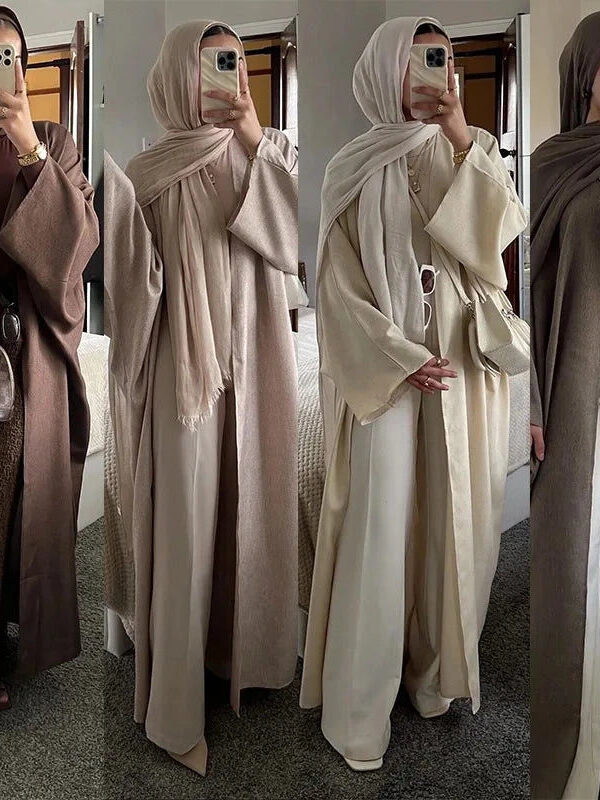
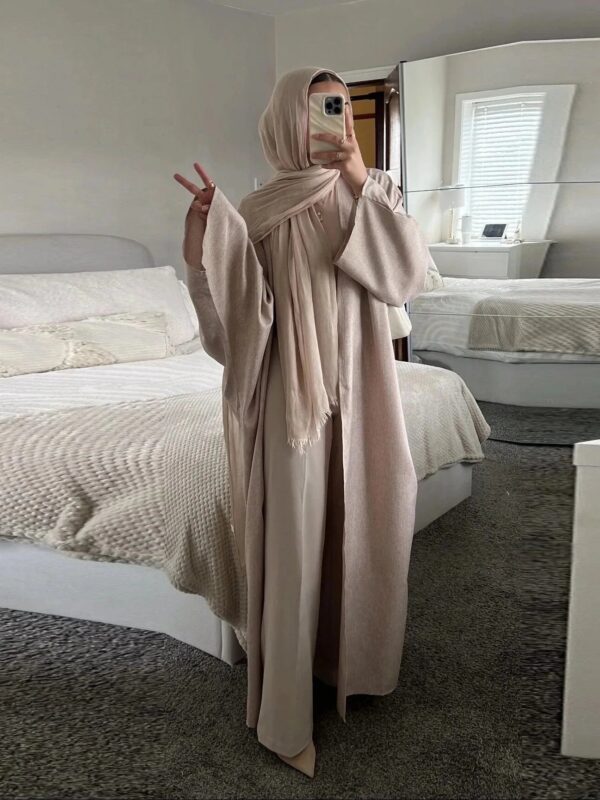
If you love the look of chiffon but dislike delicate care, choose pieces that are fully lined, simply finished and made from polyester, which is more forgiving than silk. Browse our chiffon abaya collection for light, flowing layers, or look at a flowing style such as the luxe chiffon butterfly robe with its wide sleeves. If you prefer a more structured, wrinkle-resistant feel, our butterfly abayas and kimono dresses offer different weights and drapes. To learn how chiffon compares with nida, crepe and satin, read our fabric glossary.
Frequently Asked Questions About Washing Chiffon
These are the questions readers ask most often about how to wash chiffon at home.
Can I iron chiffon?
Yes, but carefully. Use the lowest heat, press from the inside and put a pressing cloth between the iron and the fabric. Steaming is gentler and usually enough.
How often should I wash chiffon?
Only when it looks dull, feels sweaty or holds odors. Between wears, air it out on a hanger.
What should I do if chiffon snags?
Never cut the loop. Gently stretch the surrounding fabric to ease the thread back into place, or use a fine needle to tuck it through to the inside.
Does chiffon shrink?
Polyester chiffon rarely shrinks in cool water, but silk chiffon and linings can. Avoid heat and always air dry.
Is chiffon good for hot weather?
Yes. It is lightweight, breathable when loosely cut and dries quickly, which makes it a favorite for summer layers.
For wider background reading, see Wikipedia’s overview of chiffon.
Final Thoughts
Knowing how to wash chiffon is the simplest way to protect your favorite delicate pieces.
Chiffon rewards a little care. Check the label, wash gently in cool water, skip the dryer and store it with respect, and it will keep its sheer, floating beauty season after season.