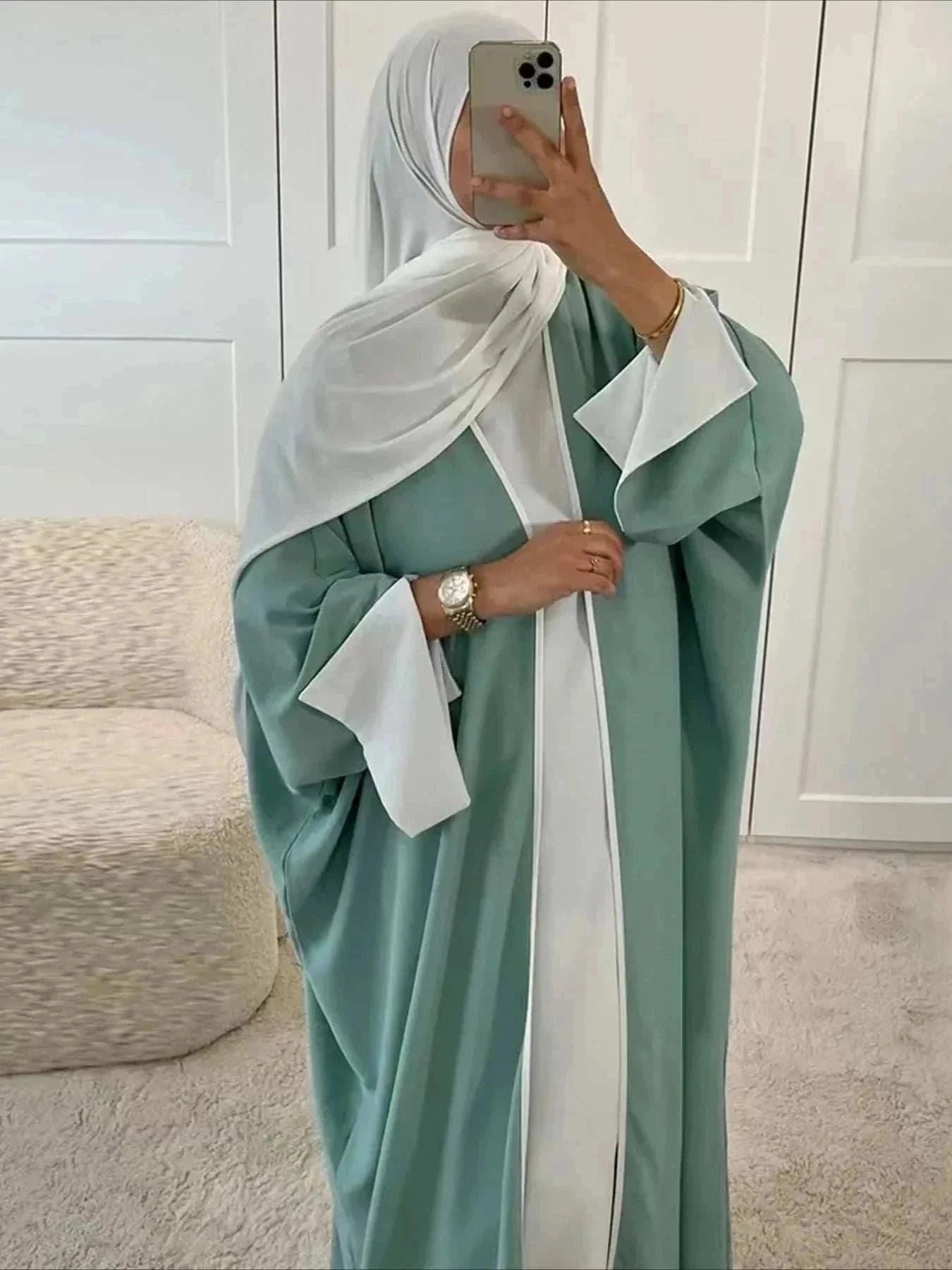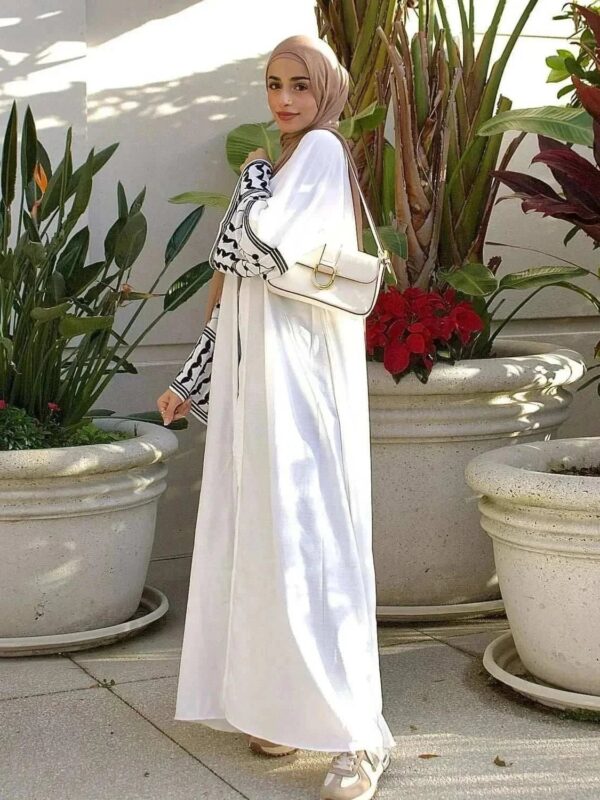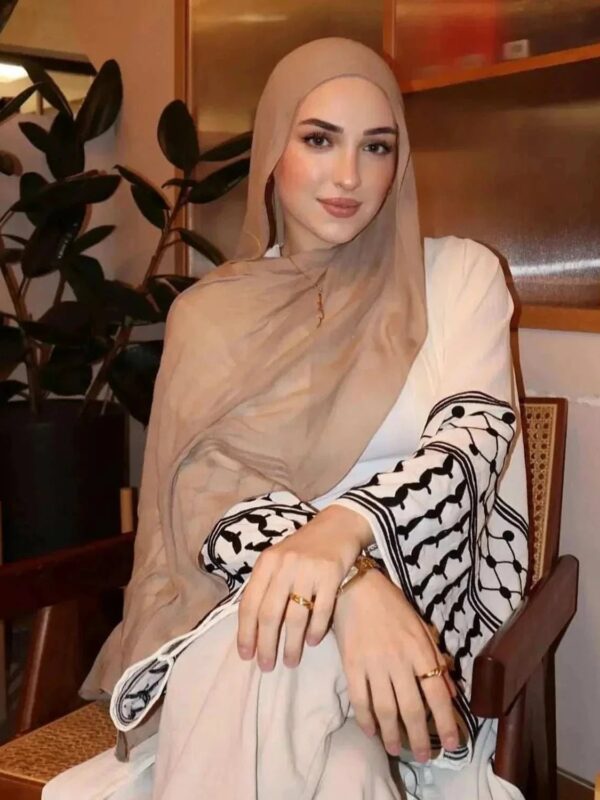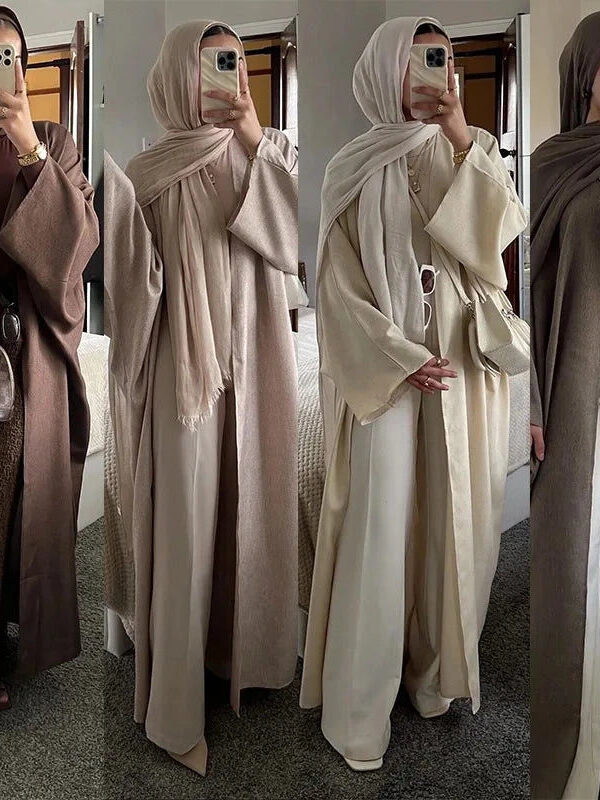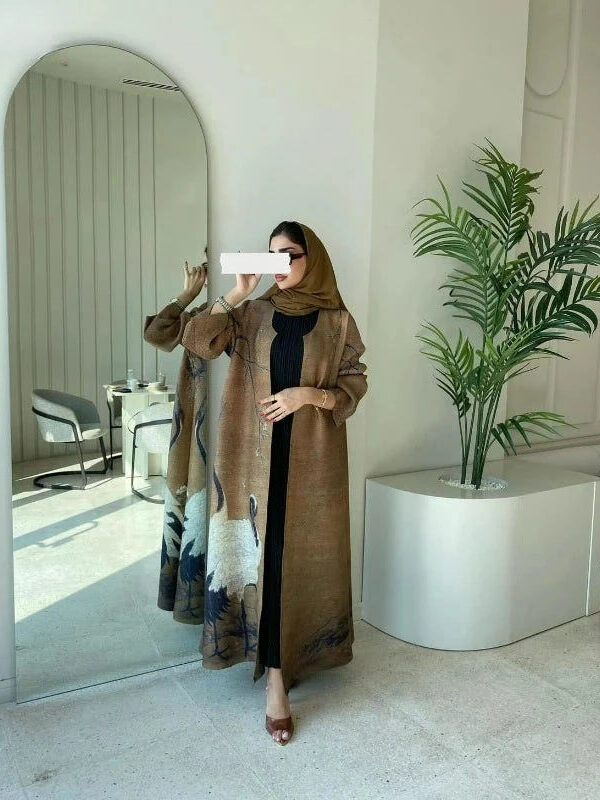

Modest fashion can look like a recent trend, with its runway shows, social media creators and global brands. In truth it is one of the oldest stories in clothing. Long, draped and layered garments have been worn for thousands of years, shaped by climate, craft, religion, trade and local custom. Understanding the history of modest fashion explains why the same silhouettes appear in so many regions, why certain fabrics and embroidery styles are tied to particular places, and how today’s designers are blending heritage with contemporary taste. This article traces the story from ancient draped clothing to the modern modest fashion movement.

Ancient Roots in the History of Modest Fashion
Long, flowing garments appeared in early civilizations across Mesopotamia, Egypt, Greece and Rome. Linen and wool tunics protected people from sun, wind and dust, and the quality of the cloth signaled status. In hot, dry regions, loose layers kept the body shaded and cool, and head coverings guarded against sand. Practicality came first, and modesty and elegance followed naturally from the cut.
The Influence of Faith and Culture
Over centuries, religious traditions shaped how people dressed. Judaism, Christianity and Islam each encouraged humility and covering in different ways, and many other communities developed their own customs. Headcoverings, sleeve lengths, hem lengths and colors varied widely by region and era. It is important to remember that modest dress was never one uniform. It was a family of traditions, each with its own character.
Trade Routes and Textiles in the History of Modest Fashion
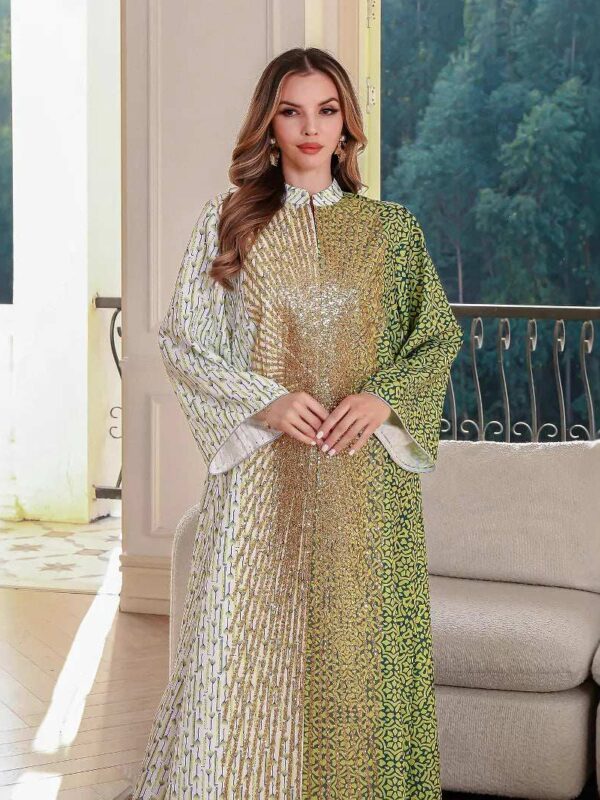
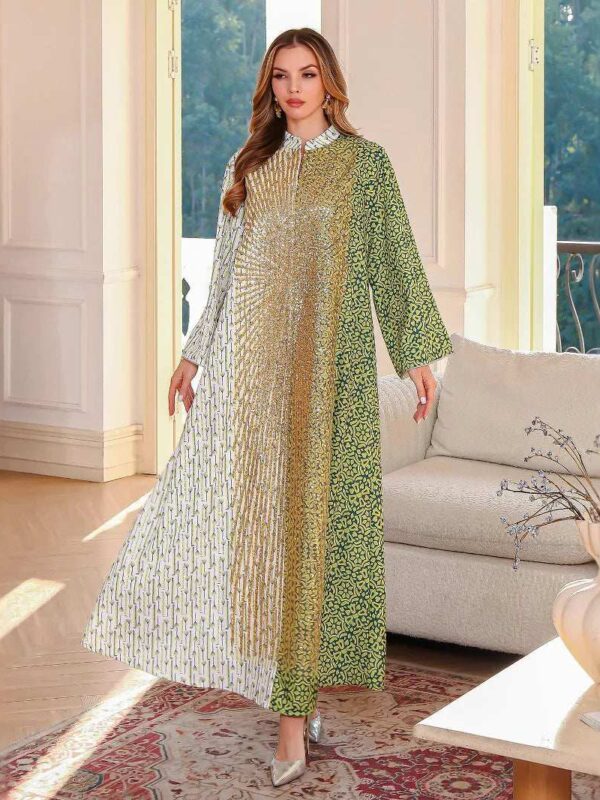
The Silk Road carried silk, cotton, dyes and embroidery techniques across Asia, the Middle East and Europe. Cities such as Damascus, Isfahan, Samarkand and Istanbul became famous for brocades, fine weaving and metal-thread embroidery. These exchanges spread designs and motifs, so floral patterns, geometric borders and gold work found in one region often echo those in another. Many of the embellishments we admire today, such as tassels, bead work and tonal embroidery, trace back to these crafts.
Regional Traditions That Still Inspire Modern Wardrobes
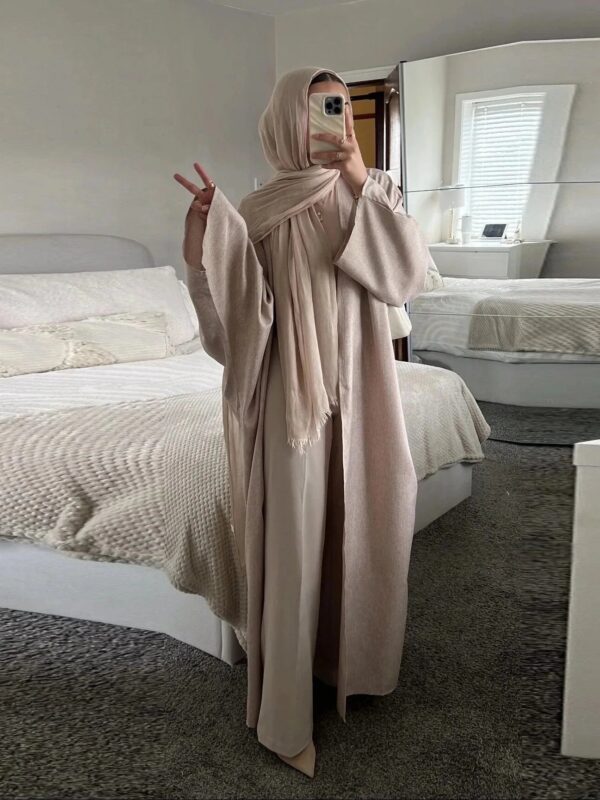
In the Arabian Gulf, flowing black outer garments suited desert heat and became a symbol of identity, which is why the modern abaya remains closely tied to the region. Our Dubai abayas and Saudi abayas carry that heritage into contemporary cuts. In North Africa, hooded robes and kaftans in lightweight fabrics are part of daily life, echoed today in the Moroccan abaya collection and our broader kaftan dresses. In Turkey, layered coats and bright scarves developed alongside Ottoman court fashion, reflected in relaxed, long-line layers like those in our Turkish abaya range. In South Asia, the shalwar kameez and dupatta combine modesty with vivid color and embroidery, while in Southeast Asia garments such as the baju kurung and batik fabrics use patterns that tell stories.
The Kimono Influence and Global Cross-Pollination
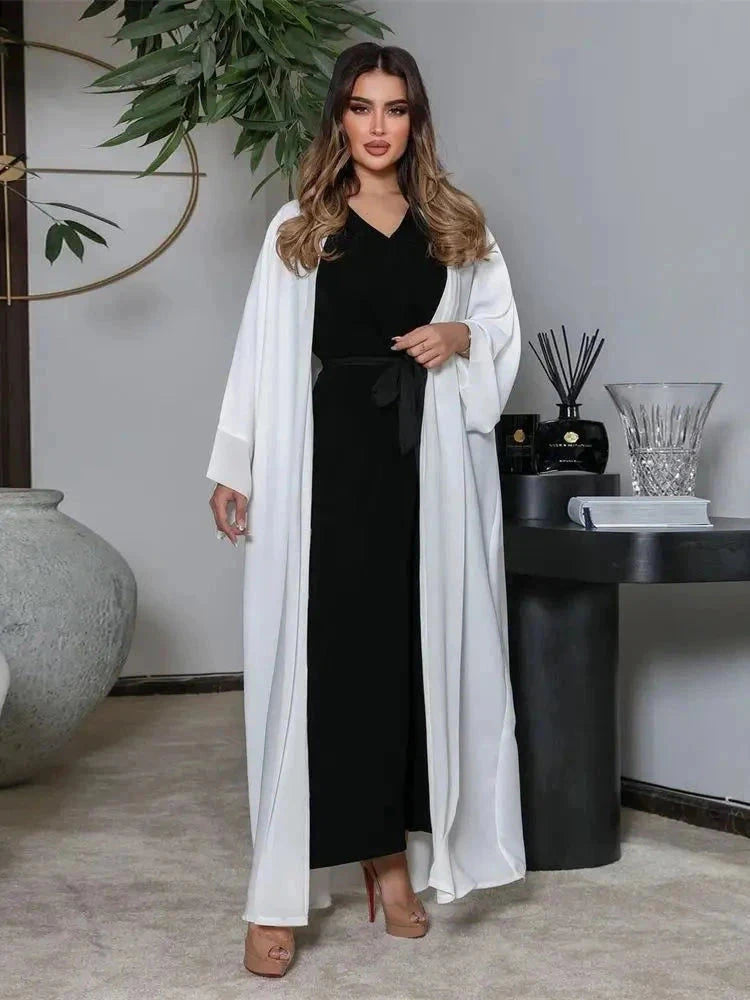
Not all modest silhouettes began in Muslim regions. The open, wide-sleeved kimono shape from Japan has influenced modern open-front layers worldwide, which is why you will find kimono-inspired cuts in many modest wardrobes. Our kimono dresses show how an old silhouette adapts to a new setting.
The Twentieth Century in the History of Modest Fashion
In the twentieth century, industrial production, urban life and migration changed wardrobes. Ready-to-wear clothing became widespread, Western tailoring spread globally, and many women blended traditional pieces with new styles. Families who migrated carried their clothing traditions with them, and the result was a rich mix of heritage and innovation in cities around the world.
The Digital Age and the Rise of Modest Fashion Weeks
In the 2010s, social media gave modest fashion creators a worldwide audience. Bloggers and designers shared styling ideas, new labels launched, and major fashion weeks began featuring modest collections. Mainstream brands introduced longer hemlines, relaxed silhouettes and capsule collections for Ramadan and Eid. Consumers of many faiths and none embraced modest dressing for comfort, sun protection, personal style or cultural reasons.
Modest Fashion Today
The history of modest fashion shows that today’s trends are part of a very long conversation.
Today’s designers combine heritage embroidery with modern fabrics and minimalist shapes. Sustainability, inclusive sizing, body-positive marketing and functional design are shaping the industry. Clothing that suits prayer, work, travel and celebration is becoming standard. If you are curious about how these ideas translate into a wardrobe, read our guide to modest fashion with abayas and hijabs, or explore building a capsule wardrobe for a practical approach.
Why Modest Fashion Endures
Modest dressing endures because it connects identity, craftsmanship and values, and because it adapts. Each generation reinterprets the same principles, covering and comfort with expression and beauty, through new fabrics and silhouettes. Its history shows steady innovation rather than a fixed uniform.
Frequently Asked Questions
These are common questions about the history of modest fashion.
Is modest fashion only religious?
No. Many people choose it for comfort, climate, culture, personal style or sun protection.
What was the Silk Road’s role?
It spread fabrics, dyes and embroidery techniques between regions, shaping shared design languages.
Where did the abaya come from?
The abaya developed in the Arabian Peninsula as a loose outer garment suited to climate and custom, and it has since spread worldwide in many styles.
How is modest fashion changing today?
More sustainable materials, inclusive sizing and varied silhouettes are shaping its future.
For wider background reading, see Wikipedia’s overview of the Silk Road.
Final Thoughts
The history of modest fashion is a story of climate, craft and belief shaping what people wear.
Modest fashion is a long, global conversation between climate, craft and belief. Knowing its history makes every piece feel richer and helps us appreciate the skill behind today’s designs.