
Have you ever tried on a color that everyone raves about and felt it simply did not suit you? The reason is often undertone, the subtle hue beneath your skin surface. Understanding your skin undertone, whether warm, cool or neutral, helps you choose clothing colors that make you look rested and glowing rather than pale or washed out. It also saves money, since you buy fewer pieces that sit unworn. This guide explains the difference between skin tone and undertone, shows several simple at-home tests to find yours and gives color suggestions for each group, with advice on using color near the face and in different lighting.
Skin Tone vs Undertone
Skin tone, sometimes called surface tone, describes how light or deep your skin looks. It can change with sun exposure, season or health. Undertone is the color beneath the surface and stays stable throughout life. It falls broadly into three families: warm, with golden, peachy or yellow hints; cool, with pink, red or bluish hints; and neutral, a balance of both. People with the same skin tone can have completely different undertones, which is why a shade that flatters one person may not suit another with a similar complexion.
Three Easy Tests to Find Your Skin Undertone
The Vein Test
Look at the veins on the inside of your wrist in natural daylight. If they appear greenish, you likely have a warm undertone. If they look blue or purple, you likely have a cool undertone. If you see a mix, or cannot tell, you may be neutral.
The Jewelry Test
Hold gold and silver jewelry against your skin. If gold makes your skin glow, you lean warm. If silver looks better, you lean cool. If both suit you, you are probably neutral.
The White Paper Test
Sit in natural light with a bare face and hold a sheet of pure white paper and a sheet of cream paper beside your cheek. If cream looks more flattering, you are warm. If bright white looks better, you are cool. If you see no big difference, neutral is likely.
Best Colors for a Warm Skin Undertone
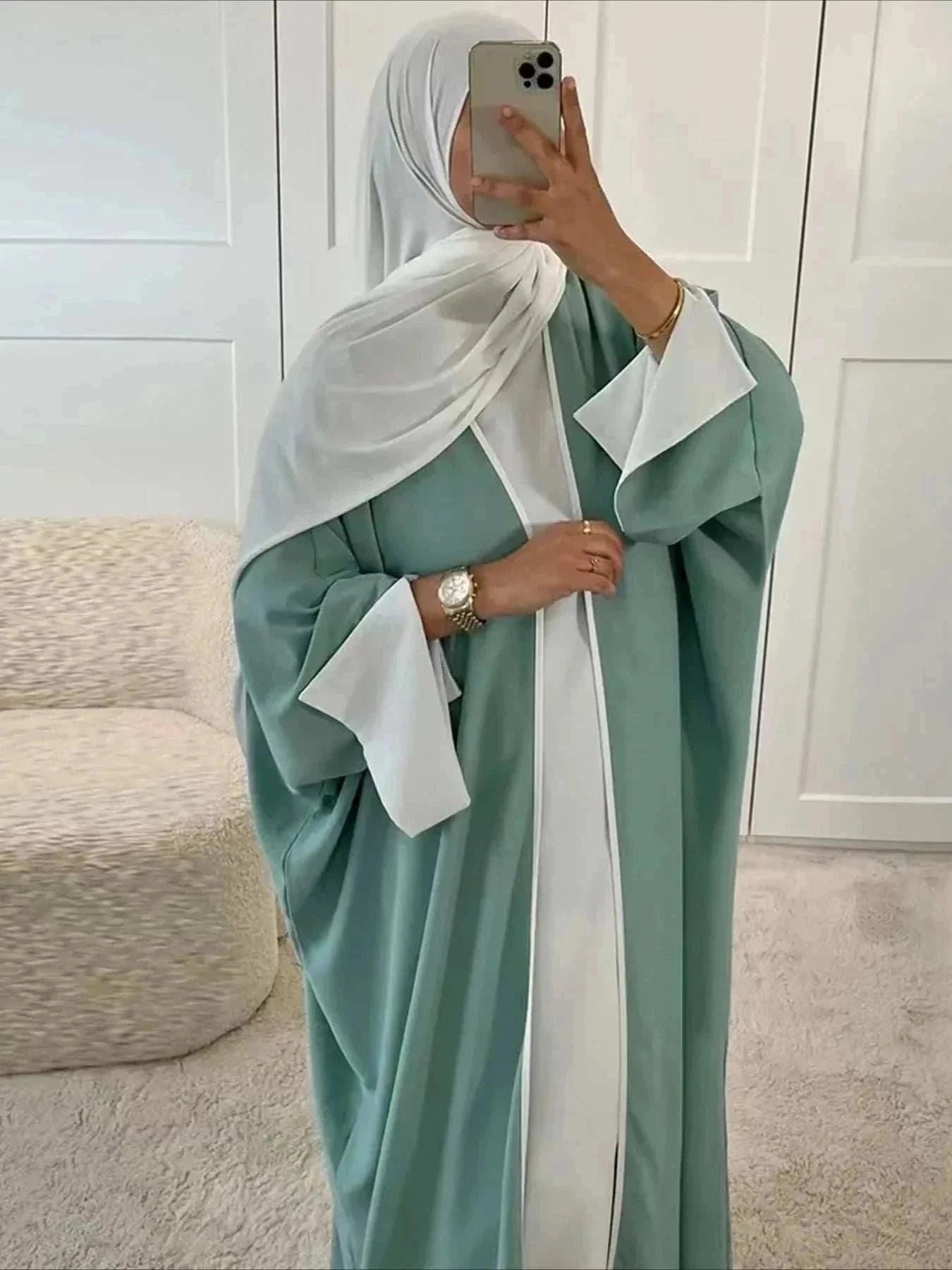
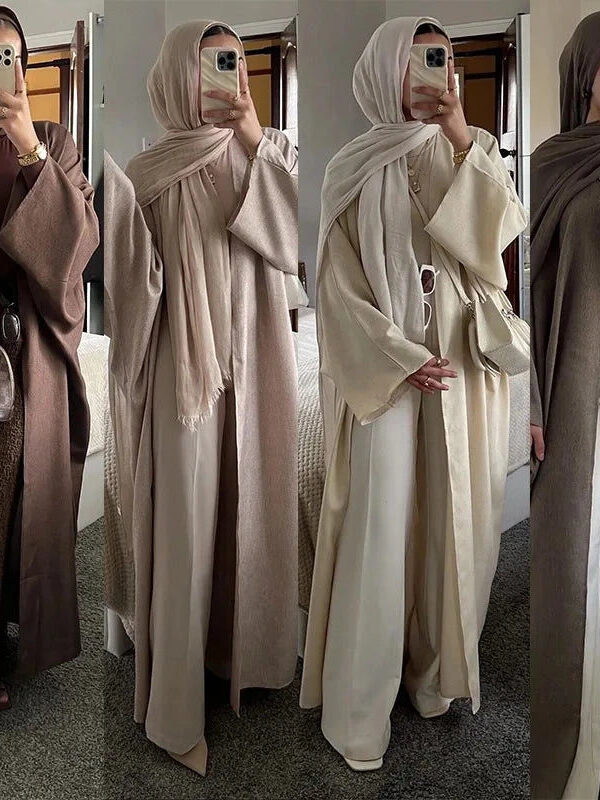
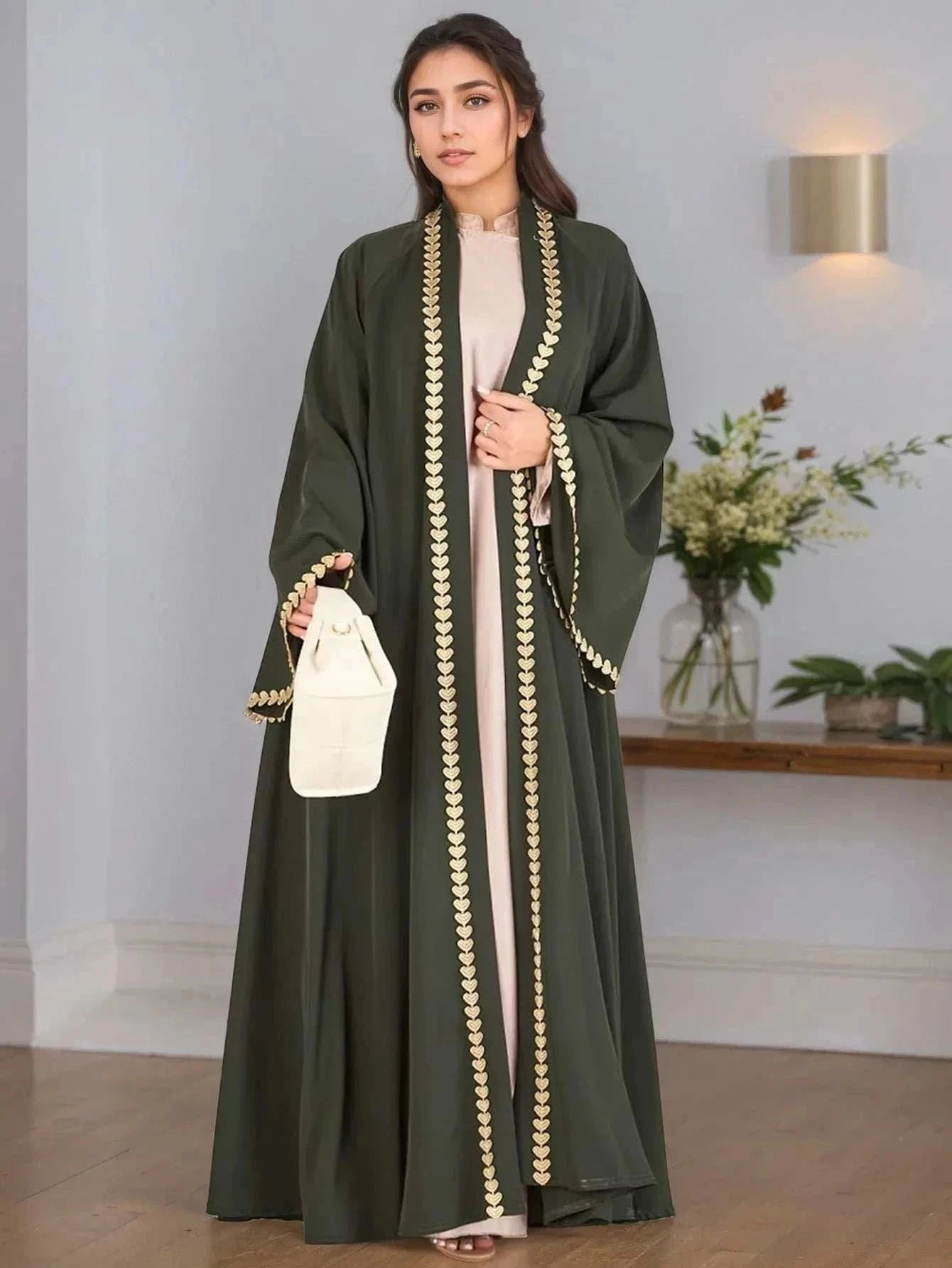
Warm undertones are flattered by earthy, golden shades such as olive, mustard, terracotta, camel, coral, warm brown and cream. Deep forest green is also lovely. Among modest outfits, an olive or sage layer often looks wonderful. Browse our green abayas to see emerald, olive and sage tones.
Best Colors for a Cool Skin Undertone
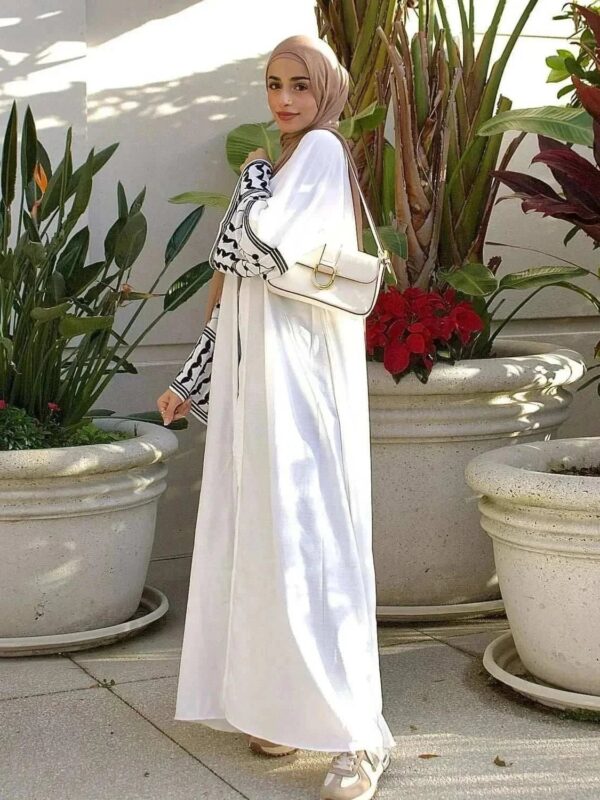
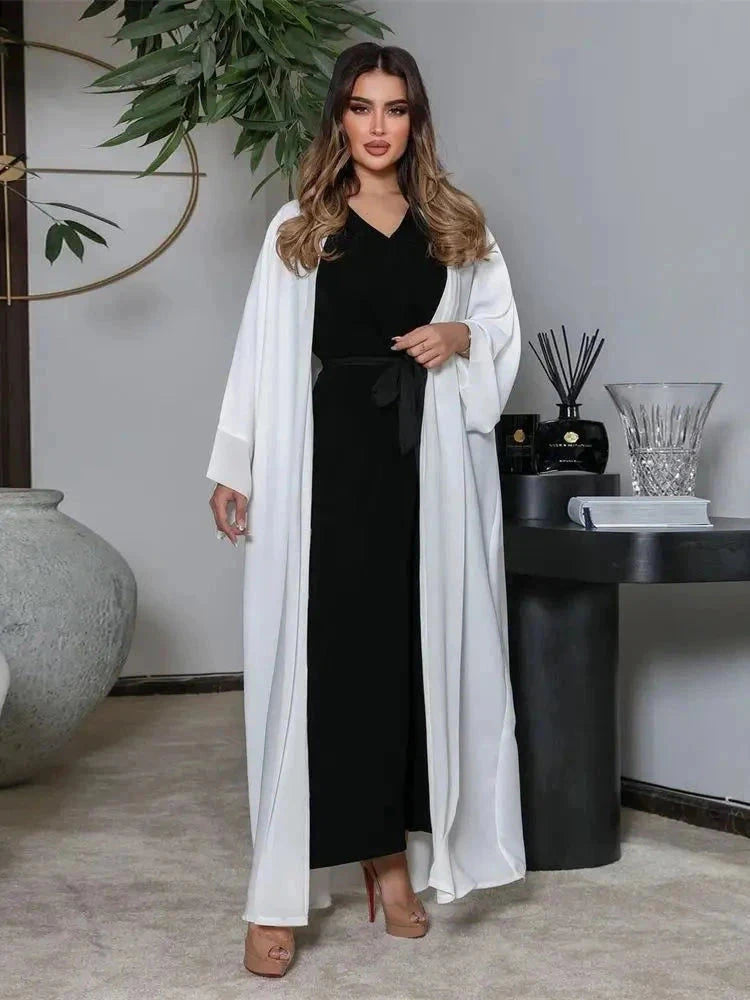
Cool undertones glow in jewel tones and clear shades such as navy, emerald, plum, rose, icy blue, charcoal and true white. Crisp, saturated colors bring clarity to the face. Our blue abayas, purple abayas and white abayas offer many options in these ranges.
Best Colors for Neutral Undertones
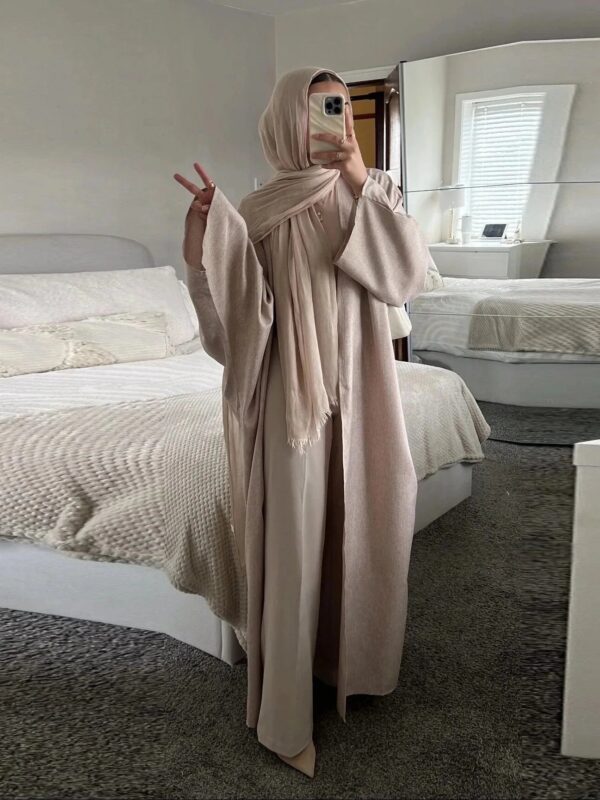
Neutral undertones can wear most shades, which is a lovely advantage. Soft, muted colors such as dusty pink, sage, taupe and soft blue are especially balanced. If you are neutral, you can choose by mood and occasion rather than worrying about clashing. A classic black abaya or a soft pink abaya both suit you well.
The Importance of Color Near the Face
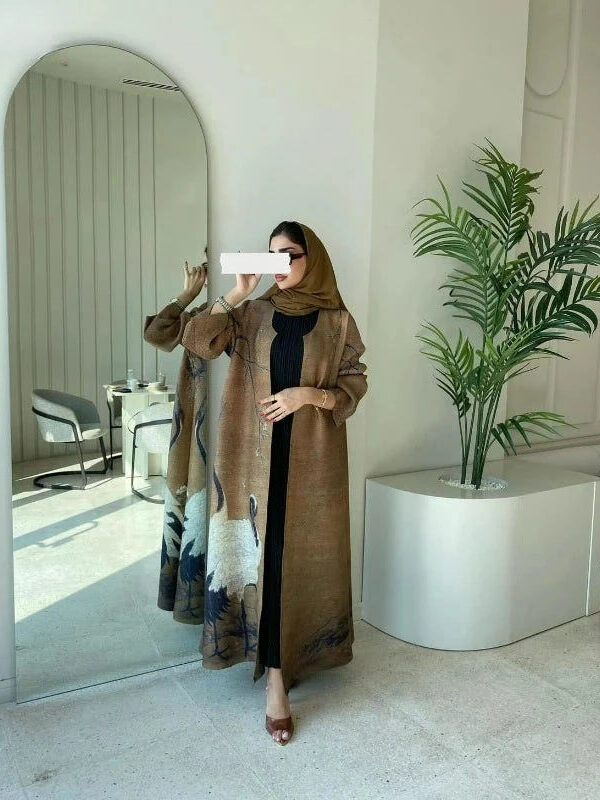
The color closest to your face has the greatest effect on how you look. If a color you love does not suit your undertone, you can still wear it lower down, such as in a skirt or a long layer, and put a flattering shade near your face with a scarf or a neckline. Hijab colors are an easy way to experiment because they sit right at the face. Our modal hijabs come in soft packs that make it easy to test several shades.
Lighting Matters
Your skin undertone looks different under different light, so always judge colors in daylight.
Always judge colors in daylight, near a window, because warm indoor bulbs can change how fabrics and skin look. Photograph yourself in different shades and compare. Choose clothing colors as you would choose makeup, by how they make your face look rested and bright.
Considering Season and Contrast
Beyond undertone, depth and contrast also matter. People with high contrast between their hair, skin and eyes often suit bold, saturated colors, while people with softer contrast look best in muted, blended shades. Tanning in summer can temporarily warm your skin, so you may feel different shades flatter you in different seasons. For seasonal wardrobe ideas, read our guides to staying cool in summer and layering for cold weather.
Common Mistakes to Avoid
Do not rely only on one test. Combine several. Avoid judging in artificial light. Do not assume you must avoid every color outside your group, since these are guides, not rules. Finally, remember that confidence and fit often matter more than color theory.
Frequently Asked Questions
Here are common questions about skin undertone and clothing colors.
Can undertone change over time?
Not naturally, though tanning, illness or aging can alter how your skin appears.
What if I get mixed results from the tests?
You are probably neutral, which gives you the widest color range.
Does undertone matter for hijab color?
Yes. Hijab sits next to your face, so it is the most important place to apply undertone-based color choices.
Can I wear colors outside my undertone?
Of course. Use a flattering scarf or neckline near your face, or simply wear what makes you feel confident.
For wider background reading, see Wikipedia’s overview of human skin color.
Final Thoughts
Once you know your skin undertone, choosing colors becomes faster and more enjoyable.
Use these tests as friendly guides. Once you know your undertone, shopping becomes simpler, your outfits feel more cohesive and your complexion glows.