
Eid morning is one of the happiest moments of the Muslim year, and also one of the busiest. After a month of fasting, families wake early, dress in their best clothes, pray together and then move through a day of breakfast, visits, gifts and celebration. Whether you are hosting at home, traveling to relatives or celebrating far from family, a bit of planning keeps the day joyful rather than rushed. This guide covers Eid morning traditions, the sunnah practices before and after Eid prayer, breakfast customs around the world, gifts for children, visiting etiquette and practical tips for a smooth day.

Preparing the Night Before: Eid Morning Traditions Begin Early
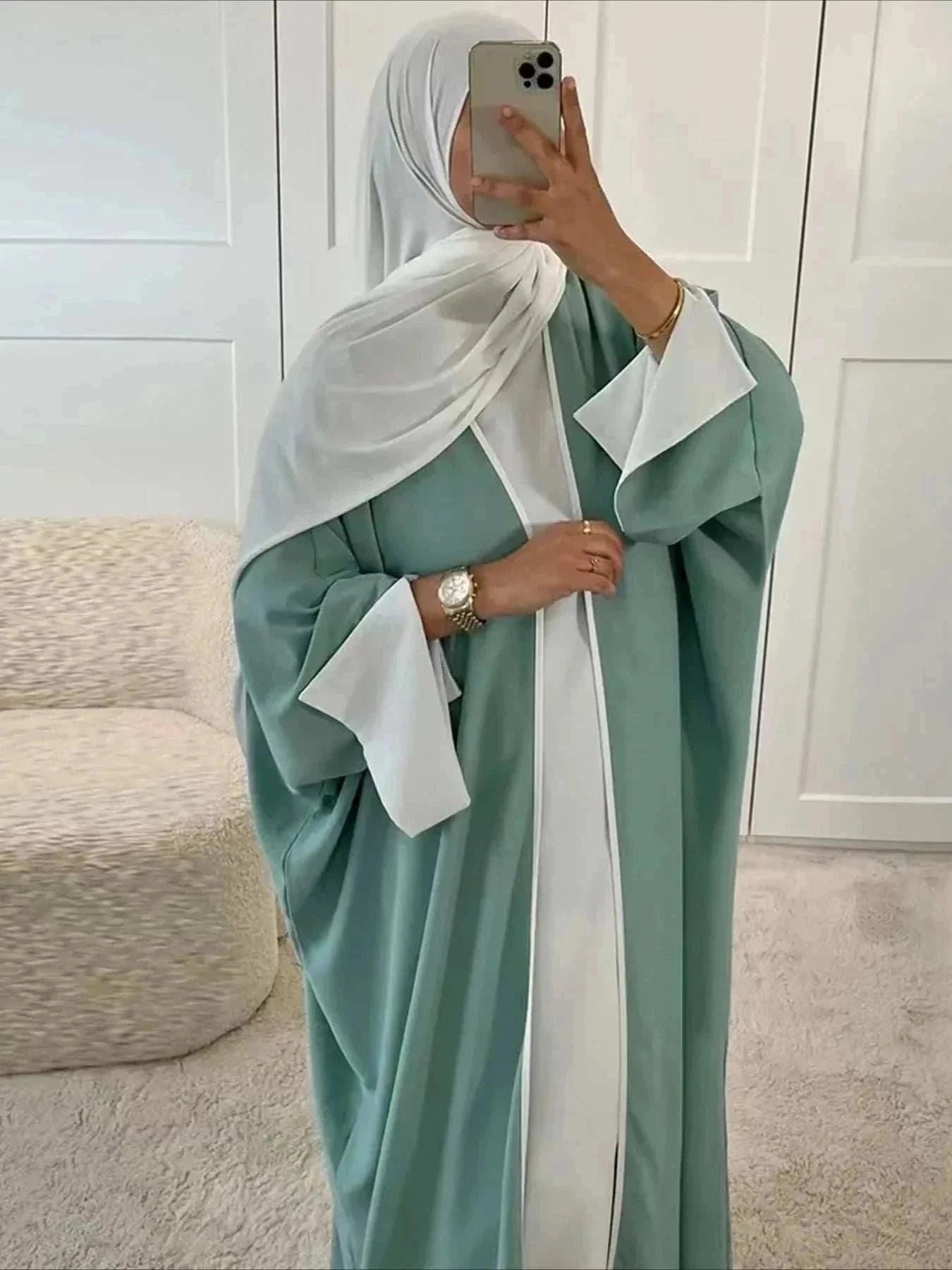
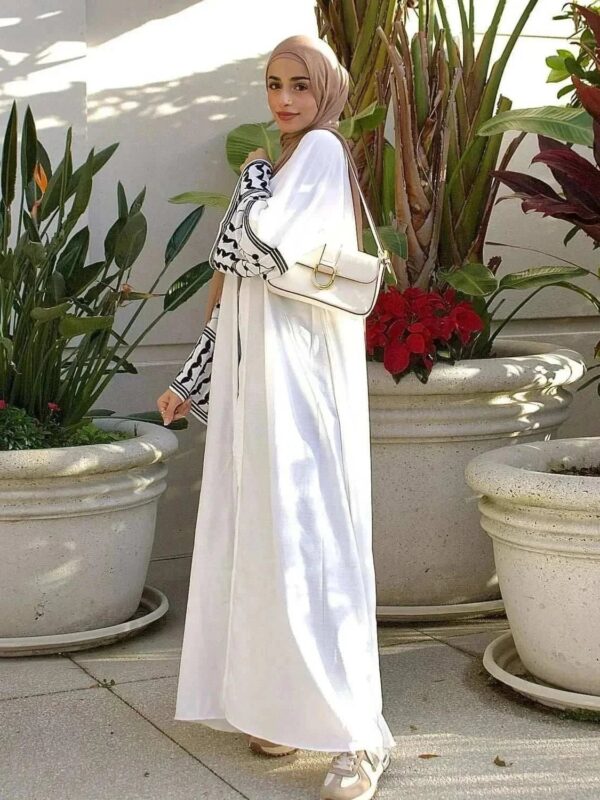
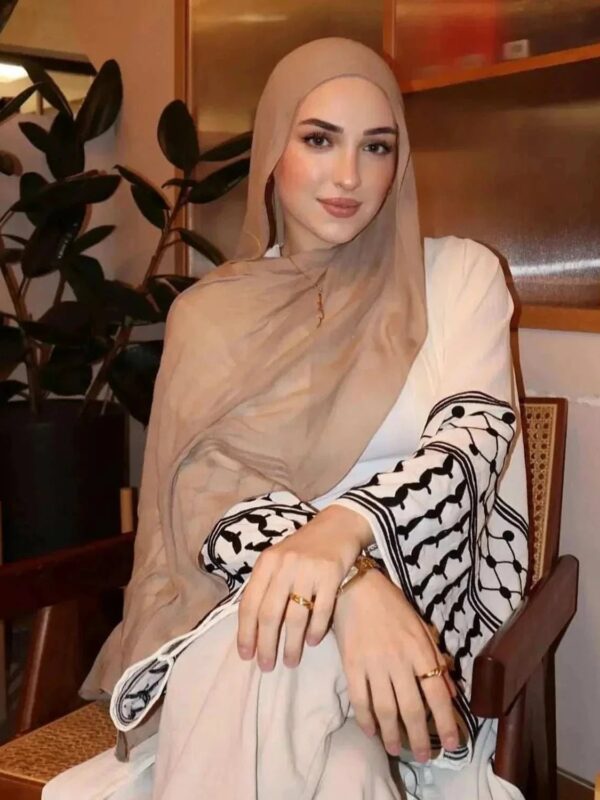
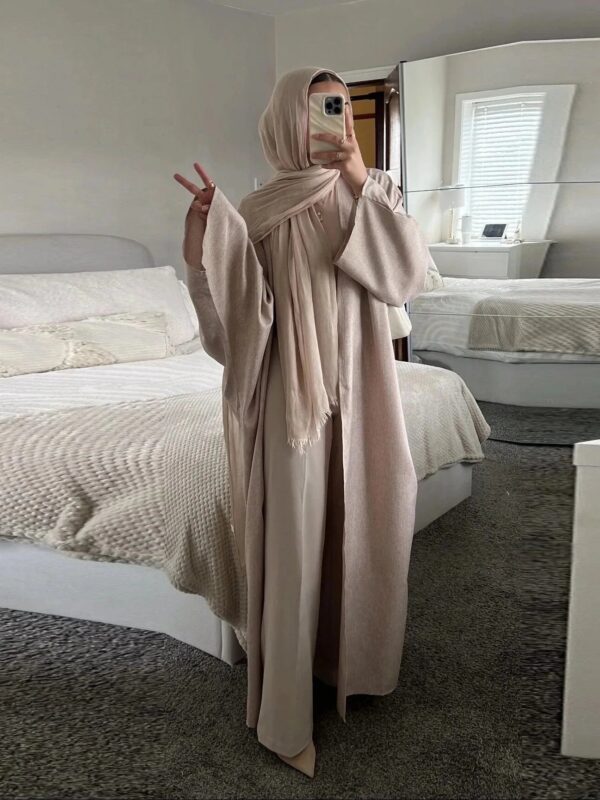
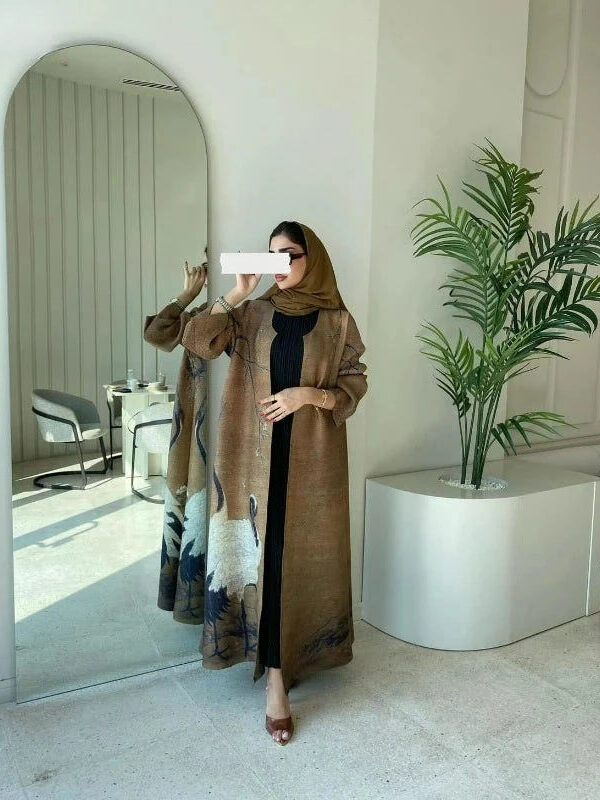
Many families spend the last evening of Ramadan preparing. Lay out clothes for everyone, including shoes, scarves and accessories, so there is no last-minute searching. Prepare breakfast items that can be set out quickly, such as dates, sweet dishes and pastries. Check the local Eid prayer time and location, since many cities hold several prayer sessions. Charge your phone, pack tissues, a small prayer mat and snacks for children, and set an alarm early enough to get ready without hurrying. If you still need an outfit, our Eid abaya collection has festive styles, and a coordinated option like the embroidered two piece Eid set makes getting ready simple.
Sunnah Practices Among Eid Morning Traditions
There are several traditions many Muslims follow on Eid day. It is recommended to bathe, wear your best clean clothes and apply perfume if you are a man. Many people eat something sweet, especially dates, before leaving for prayer on Eid al-Fitr, while on Eid al-Adha it is customary to eat after the prayer. Families recite the takbir on the way to the prayer ground and often return by a different route than the one they took. Arrive early, as parking and space can be limited, and bring a small mat if the venue is outdoors.
Eid Greetings and Etiquette
The most common greeting is Eid Mubarak, meaning blessed Eid. You may also hear Taqabbal Allahu minna wa minkum, a prayer that God accepts the good deeds of everyone. After the prayer, people greet each other warmly with handshakes or hugs where culturally appropriate. Greeting neighbors, elders and new faces at the mosque is part of the spirit of the day.
Eid Morning Traditions: Breakfast Around the World
Breakfast on Eid morning varies beautifully across cultures. In South Asia, families enjoy sheer khurma, a sweet vermicelli dish with milk, nuts and dates. In the Middle East, ma’amoul cookies and Arabic coffee are common. North African families often serve pastries and mint tea, while in Southeast Asia dishes such as ketupat, rendang and sweet rice cakes are typical. Whatever your heritage, a simple table with dates, something sweet and a hot drink sets the tone for the day.
Eidi: Gifts and Money for Children
Giving children small envelopes of money, called Eidi, or small gifts is a cherished tradition. Prepare crisp bills in advance and keep them in a pouch so you can hand them out easily. Younger children may also enjoy small toys, books or craft kits. Some families also give gifts to elders and hosts. For ideas that suit every budget, read our guide to thoughtful gifts for Ramadan and Eid hosts.
What to Wear on Eid
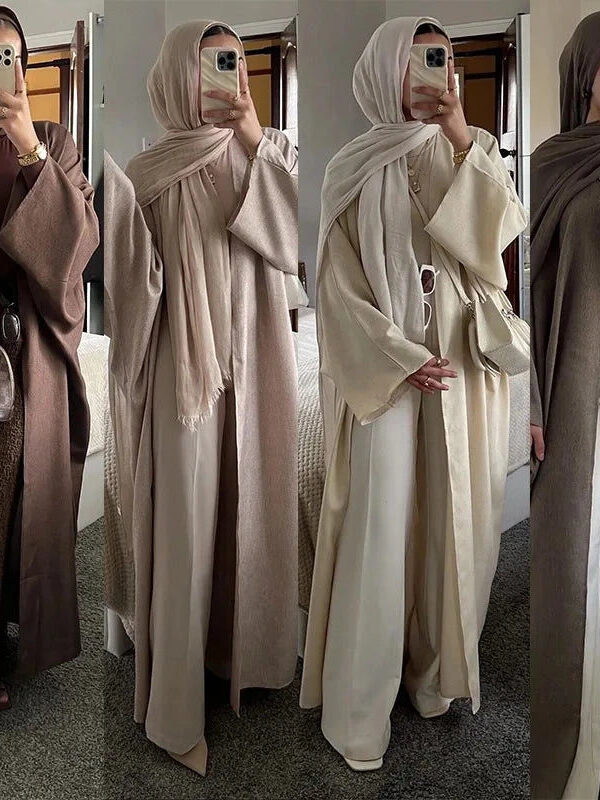
Eid is a time to dress in your best, whether that means a new outfit or a favorite you have saved. Many women choose embroidered, beaded or satin pieces. Our party wear abayas, embroidered abayas and lace-up Eid dress are popular choices. If you are unsure which colors suit you, our guide to skin undertones can help you choose.
Visiting Relatives and Friends
Whichever Eid morning traditions your family follows, a realistic schedule keeps visiting enjoyable.
Make a realistic schedule with travel times, because Eid visits can easily stretch the day. Start with elders and closest family, bring a small gift such as sweets or flowers, and do not overstay. Leave time for rest, especially if you have children. If you are hosting, prepare simple, make-ahead dishes so you can enjoy the day with guests.
Including Neighbors and Coworkers
Eid is a wonderful opportunity to share your celebration. Invite non-Muslim neighbors, friends and coworkers for a meal, or deliver a box of sweets with a short card explaining the occasion. It is a gentle, welcoming way to build community and answer questions about your faith.
Celebrating Away From Family
If you are far from relatives, you can still create a warm Eid. Join a local mosque or community event, gather friends for a shared meal, video call family and dress up as you would at home. Many cities hold large Eid festivals that welcome everyone.
Capturing Memories
Photos are part of the fun. Choose soft natural light, gather everyone early before children are tired, and take a few candid moments between the posed pictures. Plan ahead for a spot with a simple background.
Frequently Asked Questions
These are common questions about Eid morning traditions.
When is Eid prayer held?
Usually shortly after sunrise on the morning of Eid. Check your local mosque for the exact time and location.
Do I have to give Eidi?
It is a custom, not an obligation, but children look forward to it. Small gifts work equally well.
What if the moon sighting changes the date?
Prepare early but stay flexible, since the date depends on moon sighting or local announcements.
How do I prepare after a month of fasting?
Rest well the night before, keep breakfast simple and plan the day so there is room for family and prayer.
For wider background reading, see Wikipedia’s overview of Eid al-Fitr.
Final Thoughts
Eid morning traditions are about gratitude, family and community, so keep the plan simple.
Plan lightly, prepare clothes and breakfast the night before, follow the sunnah practices you value and leave room for family. A calm, grateful morning sets the tone for a beautiful celebration. If you are still preparing, our Ramadan wardrobe planning guide will help you finish the month well.