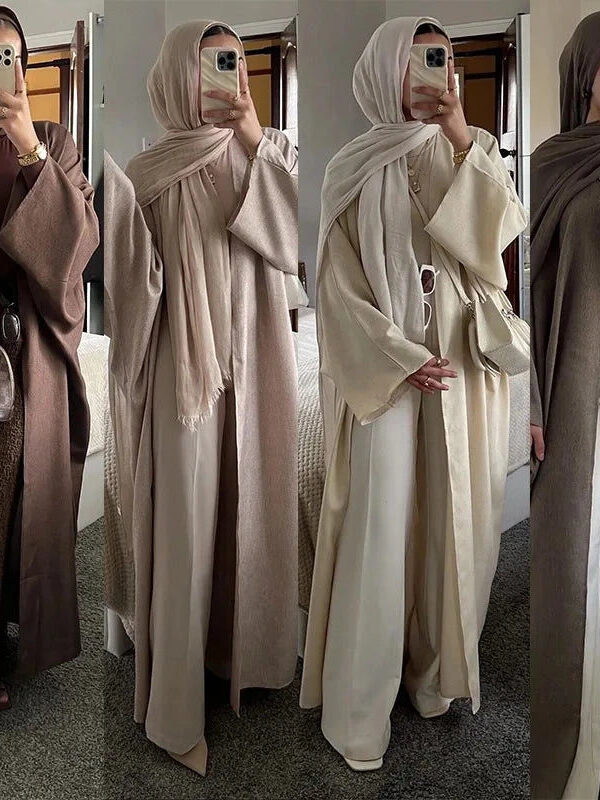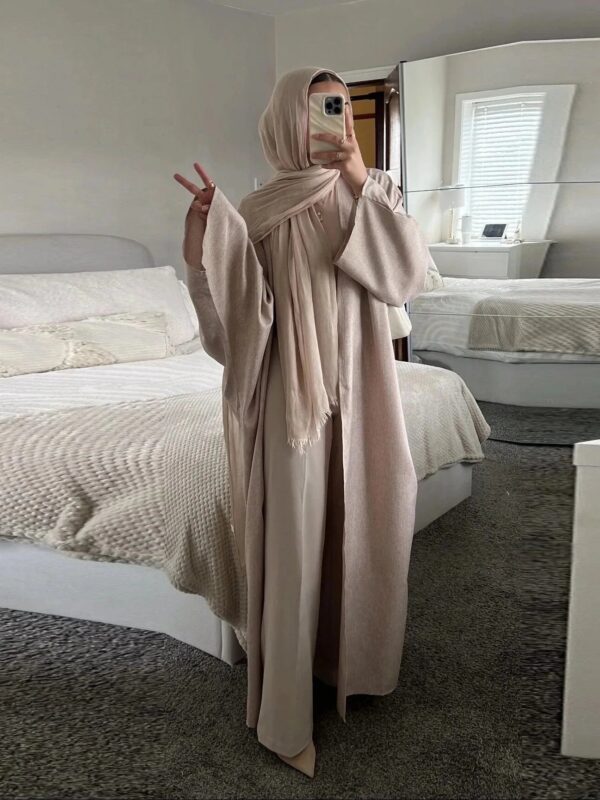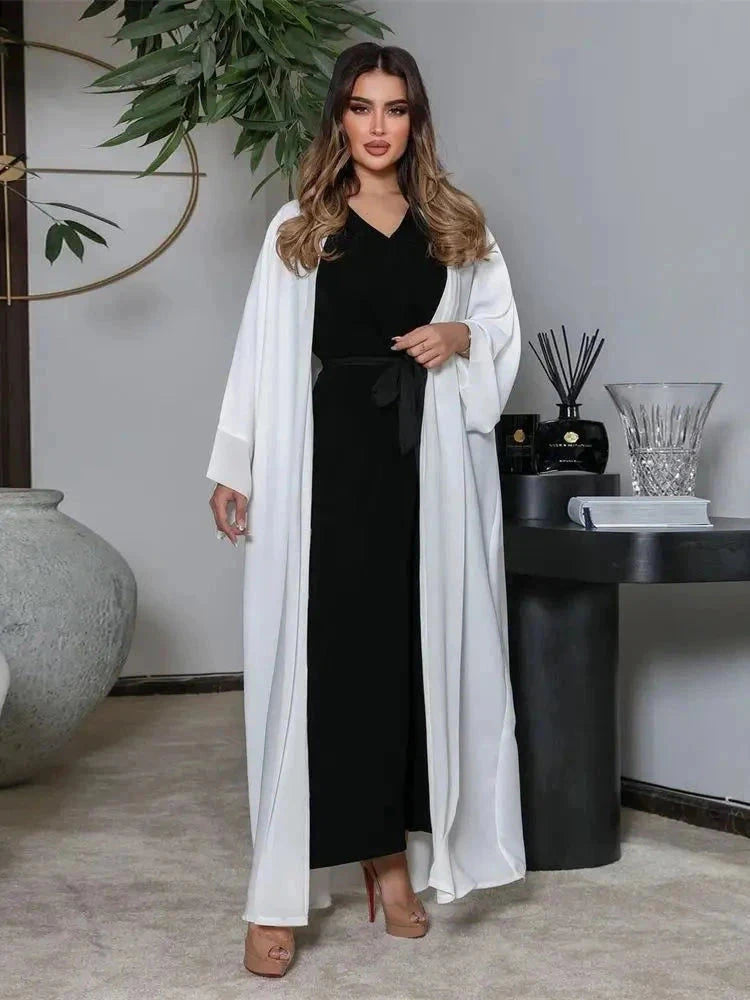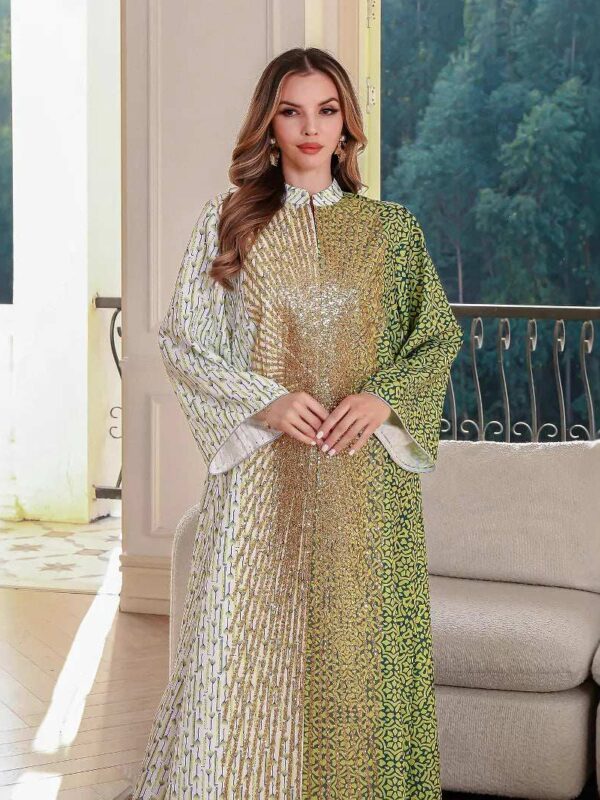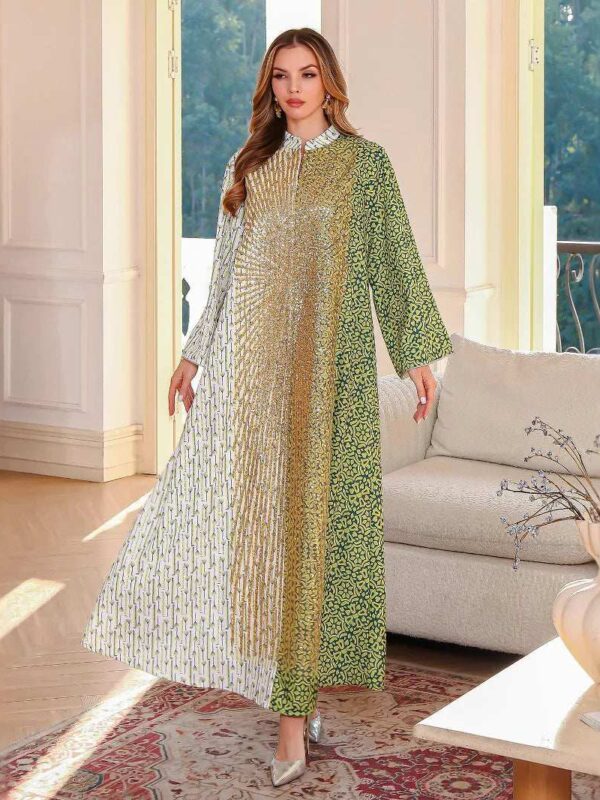

The debate over polyester vs natural fibers matters whenever you shop for clothes. Each has strengths and trade-offs in comfort, care, durability and cost. This guide compares polyester vs natural fibers honestly, so you can pick what suits your lifestyle.

What Is Polyester?
Polyester is a synthetic fiber made from petroleum-based materials. It is strong, resists wrinkles and dries quickly. Many modest garments use polyester or polyester blends because they are affordable and easy to care for.
What Are Natural Fibers?
Natural fibers come from plants and animals, such as cotton, linen, silk and wool. They breathe well and feel soft on skin, but they may wrinkle or shrink and often cost more.
Polyester vs Natural Fibers: Comfort
Natural fibers usually feel cooler and more breathable. Polyester can feel warm in hot weather, though modern blends and light weaves improve comfort. For hot days, read how to stay cool in summer.
Polyester vs Natural Fibers: Care
Polyester washes easily, dries fast and holds its shape. Cotton and linen may need ironing. Silk and wool often need gentle washing. See garment care labels explained for easy guidance.
Durability and Appearance
Polyester is strong and resists stretching. Natural fibers can wear out faster, but they age beautifully when cared for. Polyester can pill and hold static, as described in how to remove pilling and how to stop static cling.
Environmental Considerations
Polyester sheds microplastics when washed, and it is not biodegradable. Natural fibers have their own impacts, including water use for cotton. Buy less, wear more and care well. For ideas, read ethical shopping for modest clothing.
Which Should You Choose?
- Choose polyester blends for travel, easy care and budget-friendly pieces.
- Choose cotton or linen for hot weather and soft comfort.
- Choose wool for warmth in winter.
- Choose silk or satin for special occasions.
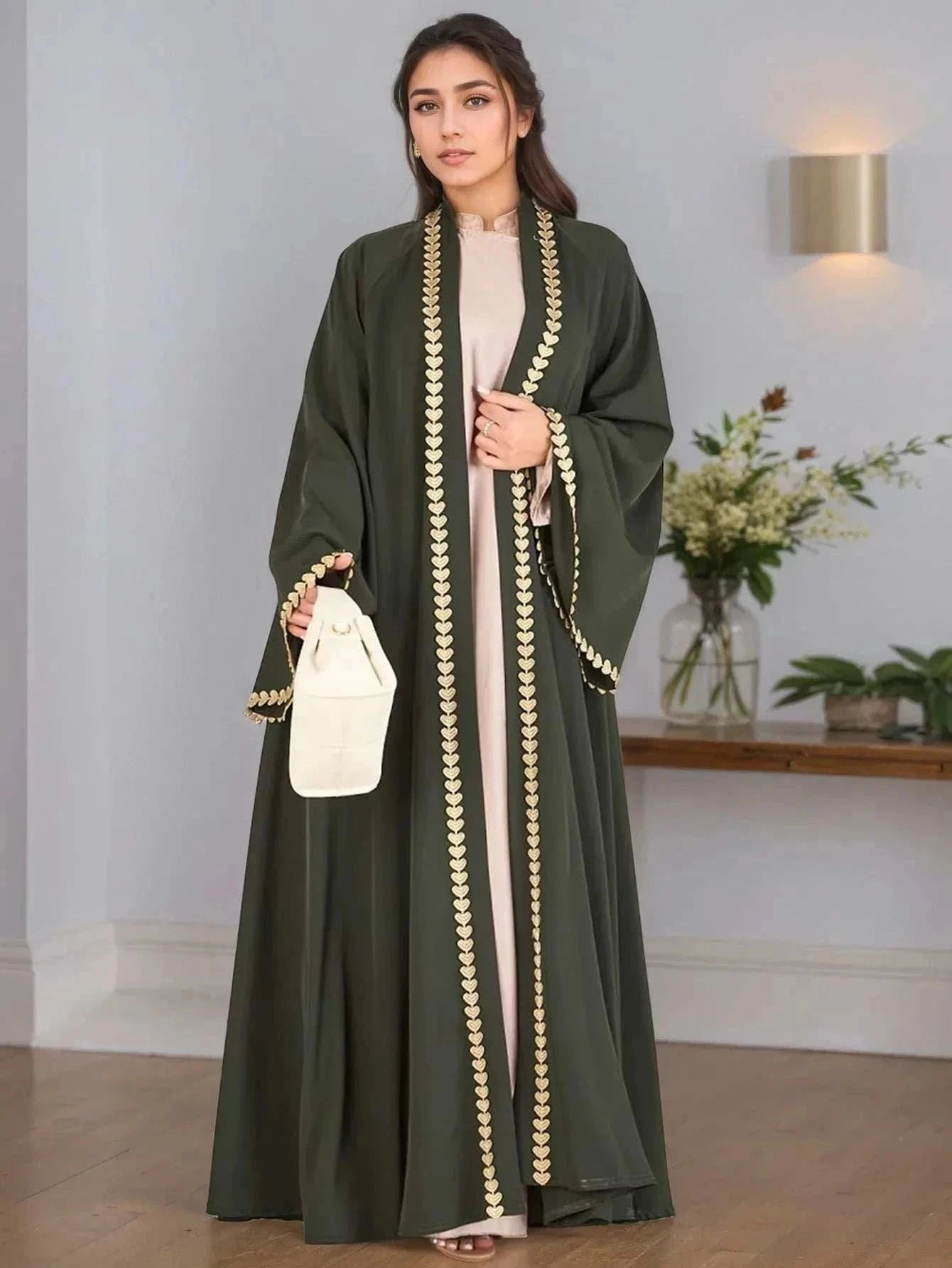
Many wardrobes contain a mix. A lightweight piece such as our ice silk crepe cardigan shows how texture and weight matter as much as fiber. Always check the label for the exact composition.
For more on materials, see Wikipedia’s article on polyester and our fabric glossary.
Frequently Asked Questions
Is polyester worse than natural fibers?
Not always. Each has pros and cons, and the best choice depends on use and climate.
Does polyester feel hot?
It can in warm weather, but lighter weaves and blends help.
Are natural fibers always better for skin?
They often feel softer and breathe better, but individual sensitivity varies.
Final Thoughts
When weighing polyester vs natural fibers, think about climate, care time and budget. A mixed wardrobe often works best.